


Can women with gestational diabetes eat fruit after childbirth?

Generally, when blood sugar levels are effectively controlled, individuals can consume fruits in moderation. However, attention should be paid to selecting appropriate types and controlling the intake. In contrast, when blood sugar levels remain consistently elevated, fruit consumption should be restricted to maintain stable blood glucose levels. If abnormalities occur, timely medical consultation is recommended. Detailed explanation is as follows:
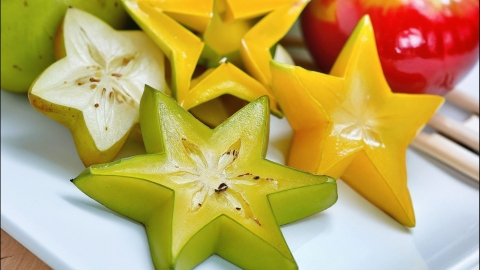
For women who had gestational diabetes and whose blood sugar levels have returned to normal or are effectively controlled after childbirth, moderate fruit consumption is acceptable. At this time, patients can choose low- or medium-sugar fruits, such as apples, pears, strawberries, blueberries, grapefruit, and kiwifruit. These fruits contain abundant vitamins and minerals that are beneficial for postpartum recovery. However, intake should be controlled to avoid excessive consumption that may elevate blood sugar levels. It is also recommended to eat fruits between meals to minimize impact on blood glucose.
If women who had gestational diabetes still experience persistent hyperglycemia or develop new-onset diabetes after childbirth, excessive fruit consumption is not recommended. Because fruits contain natural sugars, overconsumption may affect blood sugar control and worsen the condition. In such cases, patients should follow their physician's dietary recommendations and reduce calorie and carbohydrate intake to maintain stable blood glucose levels.
In daily life, women who experienced gestational diabetes should maintain a healthy lifestyle after childbirth, improve eating habits, engage in appropriate physical exercise, and enhance overall physical fitness.


