


Can people with spleen and stomach deficiency-cold consume mung bean soup and shrimp?

Generally speaking, individuals with spleen-stomach deficiency-cold can consume mung bean soup and shrimp. The detailed explanation is as follows:
Mung bean soup is relatively cold in nature and has effects of clearing heat, promoting diuresis, and detoxification. Individuals with spleen-stomach deficiency-cold typically have a cold constitution and may experience symptoms such as poor appetite, abdominal distension, epigastric pain relieved by warmth and pressure, and a cold sensation in the stomach area. Therefore, individuals with spleen-stomach deficiency-cold may drink mung bean soup in moderation, but long-term or excessive consumption is not recommended to avoid worsening symptoms of spleen-stomach deficiency-cold, such as diarrhea and abdominal discomfort.
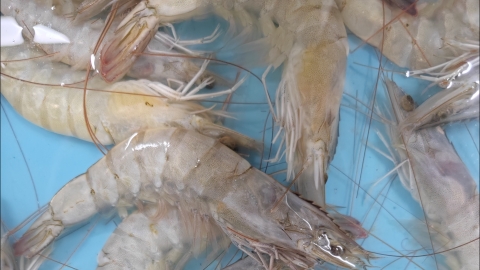
Shrimp is considered a raw and cold food and is rich in protein and other nutrients. Although shrimp is highly nutritious, its consumption may exacerbate symptoms in individuals with spleen-stomach deficiency-cold, such as pallor, shortness of breath, fatigue, excessive sleepiness, cold intolerance, and abdominal fullness. Thus, individuals with spleen-stomach deficiency-cold are generally advised to avoid eating shrimp to prevent aggravating their condition.
Individuals with spleen-stomach deficiency-cold should try to avoid or reduce the intake of cold and raw foods. If dietary adjustments are needed to manage symptoms of spleen-stomach deficiency-cold, it is recommended to develop a reasonable dietary plan based on individual constitution and health status. Additionally, individuals with spleen-stomach deficiency-cold can consume more warm-natured foods, such as longan, beef, and lamb, to help improve their condition.


