Can soft-shelled turtle eggs and pigeon eggs be eaten raw?
Feb 13, 2025
Source: Cainiu Health

Dr. Bai Hongmei
Introduction
The surface of soft-shelled turtle eggs may carry microorganisms such as bacteria, viruses, and parasites, including Salmonella and Escherichia coli (E. coli). Consuming soft-shelled turtle eggs raw allows these microorganisms to easily enter the human body, potentially causing food poisoning symptoms such as abdominal pain, diarrhea, and vomiting, and may even lead to more severe infectious diseases. Additionally, the digestibility and absorption rate of the proteins in soft-shelled turtle eggs by the human body is relatively low when consumed raw.
Under normal circumstances, soft-shelled turtle eggs and pigeon eggs are generally not recommended to be eaten raw. The specific analysis is as follows:
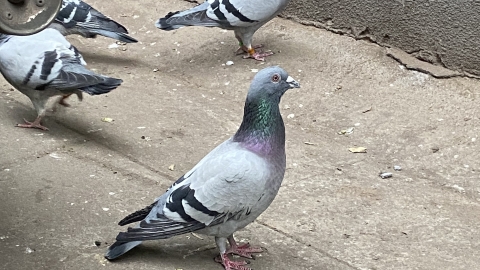
Soft-shelled turtle eggs may carry microorganisms on their surface, such as bacteria, viruses, and parasites, including Salmonella and Escherichia coli (E. coli). Consuming them raw allows these microorganisms to easily enter the human body, potentially causing food poisoning symptoms such as abdominal pain, diarrhea, and vomiting, and may even lead to more serious infectious diseases. Additionally, the digestion and absorption rate of proteins in raw soft-shelled turtle eggs is relatively low. After cooking, the proteins denature, making them easier for digestive enzymes in the human body to break down and absorb, thereby better utilizing their nutritional value.
Pigeon eggs may also be contaminated by bacteria, molds, and other pathogens. For example, aflatoxins produced by certain molds are highly toxic and carcinogenic. Eating contaminated pigeon eggs raw increases the risk of disease infection and poses a threat to health. Raw pigeon eggs may also contain certain anti-nutritional factors that can interfere with the absorption and utilization of nutrients such as biotin in the human body. Cooking through heating can destroy these anti-nutritional substances and improve the nutritional value of pigeon eggs.
When consuming these types of eggs, it is important to choose fresh eggs without damage and ensure they are thoroughly cooked before consumption. This not only ensures food safety but also enhances the absorption of nutrients contained in the eggs.