


Is the borderline ECG normal or abnormal?
Feb 13, 2025
Source: Cainiu Health

Dr. Tian Hongbo
Introduction
An indeterminate electrocardiogram (ECG) is typically regarded as a state between normal and abnormal, and cannot be simply categorized as either normal or abnormal. An indeterminate ECG refers to ECG findings that fall between normal and abnormal, possibly indicating some mild, atypical changes in the heart. However, these changes are insufficient to establish a definitive diagnosis of a specific cardiac disease.
An borderline ECG is usually considered as a condition between normal and abnormal, and cannot be simply categorized as either normal or abnormal. If concerned, it is recommended to seek medical advice in advance. Detailed analysis is as follows:
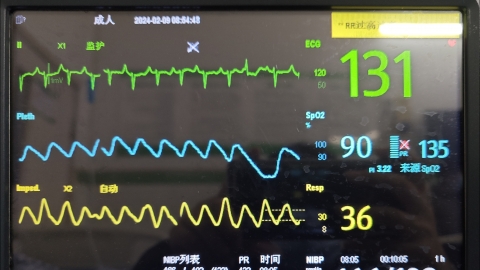
A borderline ECG refers to an ECG result that falls between normal and abnormal, possibly indicating some mild, atypical changes in the heart, but these changes are insufficient to diagnose a specific heart disease. These ECG changes may be caused by physiological variations, such as excessive fatigue, emotional fluctuations, or electrolyte disturbances, which may temporarily affect the ECG presentation, making it borderline.
A borderline ECG may also represent an early manifestation of heart disease, especially when the heart disease has not progressed to the point of causing明显 ECG abnormalities. Therefore, when encountering a borderline ECG, doctors usually combine the patient's medical history, clinical manifestations, and other examination results for comprehensive evaluation. This may include asking the patient about any cardiac discomfort symptoms, past medical history, family history, and may recommend further examinations such as echocardiography, ambulatory ECG monitoring, and blood tests to comprehensively understand the heart's structure and function.
In daily life, maintaining a healthy lifestyle, improving dietary habits, appropriately engaging in physical exercise, enhancing physical fitness, and reducing the risk of disease are recommended.







