


Can patients with hypothyroidism eat seaweed (such as wakame or kelp)?

Generally, hypothyroidism refers to underactive thyroid function. Patients with hypothyroidism can consume seaweed (such as wakame and kelp), but should do so in moderation. Detailed explanation is as follows:
Wakame and kelp are rich in iodine, which is essential for the synthesis of thyroid hormones. For patients whose hypothyroidism is caused by iodine deficiency, consuming iodine-rich foods like wakame and kelp helps supplement iodine levels and promotes the normal synthesis of thyroid hormones. Moreover, wakame and kelp also contain abundant dietary fiber, vitamins, and minerals, which are beneficial to the overall health of patients with hypothyroidism.
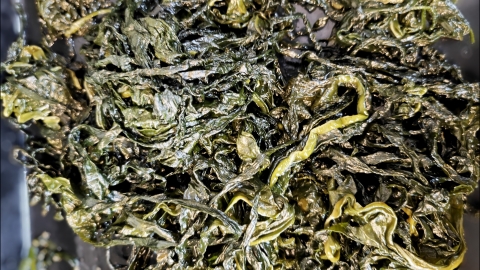
Patients with hypothyroidism should strictly control the amount of wakame and kelp they consume to avoid excessive intake that may worsen their condition. Additionally, they should maintain a balanced diet, appropriately combine various foods, and ensure sufficient nutrient intake.
To maintain good health, it is recommended to eat a balanced diet, maintain appropriate intake levels, monitor bodily responses, and avoid excessive or inappropriate consumption.


