


Can warm-natured foods and cold-natured foods be consumed together?
Feb 14, 2025
Source: Cainiu Health

Dr. Zhang Xiuhong
Introduction
Warm-natured foods, such as lamb, beef, chives, ginger, and others, can warm the body, dispel cold and dampness, and promote blood circulation, offering numerous health benefits. They are generally suitable for individuals with a cold constitution or those experiencing cold-related conditions. Cool-natured foods, such as watermelon, bitter melon, mung beans, and kelp, have effects of clearing heat, relieving summerheat, promoting body fluid production, and quenching thirst.
Generally speaking, warm-natured foods can be consumed together with cold-natured foods. The detailed explanation is as follows:
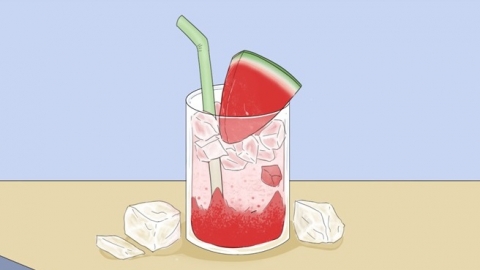
Warm-natured foods, such as lamb, beef, chives, ginger, etc., can warm the body, dispel cold and dampness, and promote blood circulation, offering multiple health benefits. These foods are generally suitable for individuals with cold body constitution or those experiencing cold symptoms. Cold-natured foods, such as watermelon, bitter melon, mung beans, kelp, etc., have effects of clearing heat, relieving summerheat, producing body fluids, and quenching thirst. These are generally suitable for individuals with hot body constitution or those experiencing heat symptoms.
Consuming warm-natured and cold-natured foods together in appropriate amounts can balance yin and yang, benefiting health. During hot summer months, consuming moderate amounts of cold-natured foods can help clear internal heat and relieve summerheat. In contrast, during cold winter months, moderate consumption of warm-natured foods can help warm the body. For individuals with cold body constitution or those suffering from cold syndromes such as spleen and stomach cold deficiency, cold intolerance, and cold limbs, excessive consumption of cold-natured foods may worsen their conditions. Similarly, individuals with hot body constitution or those experiencing heat syndromes such as fever, dry mouth, red tongue, etc., may also experience discomfort if they consume excessive warm-natured foods.
When consuming these foods, it is important to maintain appropriate portions to avoid bodily discomfort caused by overconsumption. Additionally, cooking techniques and time should be carefully controlled.




