


Can removing intestinal toxins reduce the accumulation of toxins in the body?
Feb 17, 2025
Source: Cainiu Health

Dr. Shen Yonghua
Introduction
Under normal circumstances, removing intestinal toxins can reduce the accumulation of toxins in the body, but it is important to choose appropriate methods and avoid excessive intestinal detoxification. Although intestinal detoxification can benefit health, excessive detoxification may lead to problems such as malnutrition and gastrointestinal dysfunction. Therefore, detoxification should be performed in moderation, avoiding excessive reliance on medications, enemas, or other similar methods.
Generally speaking, removing intestinal toxins can reduce the accumulation of toxins in the body, but it is important to choose appropriate methods and avoid excessive intestinal detoxification. A detailed analysis is as follows:
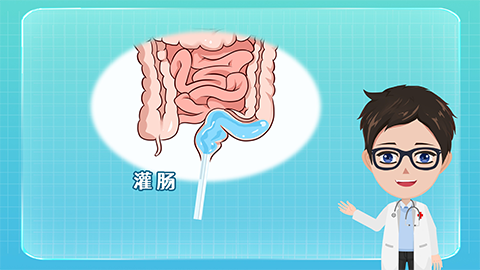
Intestinal toxins usually refer to the accumulation of toxins and waste in the intestines caused by factors such as improper diet and slowed intestinal motility. Detoxifying the intestines can effectively promote the elimination of these harmful substances from the body, thereby maintaining good health. By detoxifying the intestines, the buildup of harmful substances in the gastrointestinal tract can be effectively reduced, lowering the risk of gastrointestinal inflammation and infection. If intestinal detoxification is needed, increasing dietary fiber intake through diet—for example, by consuming more vegetables, fruits, and whole grains—can help stimulate intestinal motility and accelerate waste elimination, possibly reducing the retention time of toxins in the intestines. In addition, maintaining adequate water intake helps dilute intestinal contents, promotes bowel movements, and reduces toxin absorption.
Although intestinal detoxification benefits health, excessive detoxification may lead to malnutrition and gastrointestinal dysfunction. Therefore, detoxification should be conducted in moderation, avoiding excessive reliance on medications, enemas, or other methods.



