Can I eat meat before having my blood lipids tested?
Feb 19, 2025
Source: Cainiu Health

Dr. Liu Feng
Introduction
Under normal circumstances, you can eat meat a few days before a blood lipid test, but it should be in moderation. Eating a moderate amount of meat before the test generally does not significantly affect the blood lipid test results. However, consuming excessive fatty meats may cause a temporary increase in blood lipid levels, which could affect the accuracy of the test results. Therefore, prior to the blood lipid test, you should control your meat intake moderately and avoid excessive consumption.
Generally, you can eat meat a few days before having your blood lipids tested, but it should be in moderation. The analysis is as follows:
Consuming meat in moderate amounts a few days prior to the blood lipid test typically does not significantly affect the test results. However, excessive intake of fatty meats may cause a temporary increase in blood lipid levels, thereby affecting the accuracy of the test results. Therefore, before the test, meat consumption should be controlled in moderation, avoiding excessive intake.
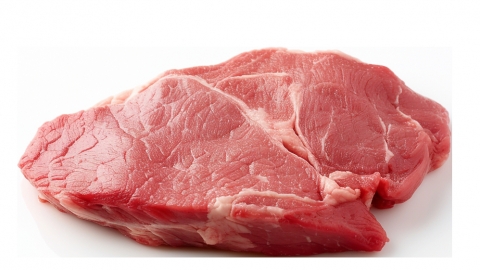
In the days leading up to the blood lipid test, maintain a light diet and choose more vegetables, fruits, whole grains, and other foods rich in dietary fiber and vitamins. These foods not only help reduce cholesterol and triglyceride levels but also provide essential nutrients for the body.
Usually within 2 to 3 days before the blood lipid test, avoid engaging in overly strenuous exercise. Excessive physical activity may increase the activity of lipase in the blood, which can affect the test results. If you are currently taking medications such as lipid-lowering drugs or insulin, follow your doctor's instructions to temporarily discontinue use or adjust the dosage before the test.