


Can avoiding ionizing radiation prevent gliomas?

Staying away from ionizing radiation can help prevent gliomas to some extent, but cannot provide complete prevention. It is recommended to combine other preventive methods. If any physical discomfort occurs, it is advisable to visit a hospital promptly and follow the medical advice for treatment.
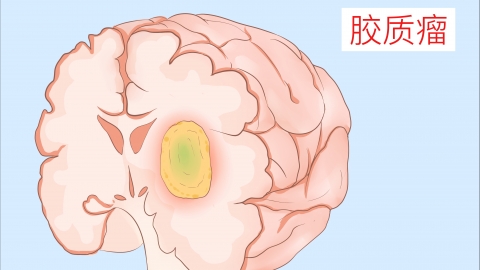
Glioma is a malignant tumor originating from glial cells within the brain. Its pathogenesis is complex and associated with multiple factors including heredity and environmental influences. There are some naturally occurring radioactive substances in the environment, such as radon gas, long-term exposure to which may increase cancer risk. Improving the living environment—for example, by reducing basement humidity and enhancing ventilation—can help decrease radon accumulation, thus lowering health risks.
Avoid unnecessary exposure to ionizing radiation. When undergoing medical examinations such as X-rays or CT scans, efforts should be made to minimize radiation exposure. For individuals working in occupations involving ionizing radiation, it is essential to strictly follow occupational safety regulations, wear personal protective equipment, and undergo regular occupational health examinations. Regular physical exams, including head MRI scans, can help detect small lesions early, allowing timely intervention and improving cure rates.
In addition, maintaining a balanced diet, engaging in regular exercise, and ensuring adequate sleep can help enhance immune function and maintain normal physiological conditions, thus reducing the risk of cancer.


