Which fruits should not be eaten after I-131 treatment?
Feb 20, 2025
Source: Cainiu Health

Dr. Bai Hongmei
Introduction
Under normal circumstances, fruits such as durian, lychee, longan, mango, and pineapple should not be consumed after iodine-131 treatment. Durian is a high-calorie, high-sugar fruit. After iodine-131 treatment, the body's metabolism may remain in a relatively disordered state for a period of time. Excessive consumption of high-calorie durian may increase the metabolic burden on the body and be detrimental to recovery.
Generally, after iodine-131 treatment, it is not recommended to consume certain fruits such as durian, lychee, longan, mango, and pineapple. Details are as follows:
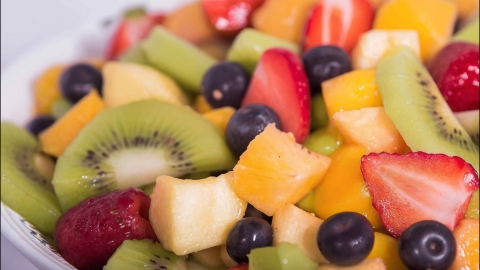
1. Durian: Durian is a high-calorie, high-sugar fruit. After iodine-131 treatment, the body's metabolism may remain relatively disordered for a period of time. Consuming excessive amounts of high-calorie durian may increase the metabolic burden on the body, which is not conducive to recovery. Additionally, durian is a heaty fruit that may cause internal heatiness, leading to symptoms such as sore throat. Since iodine-131 treatment may cause localized adverse reactions in the neck area, heatiness could exacerbate this discomfort.
2. Lychee: Lychee also contains high levels of sugar, and excessive consumption may easily cause blood sugar fluctuations. Iodine-131 treatment may affect the body's endocrine system to some extent. During this time, significant blood sugar fluctuations may impact recovery and the stability of the body's internal environment. Moreover, excessive lychee consumption may also cause heatiness, resulting in symptoms such as sore throat and swelling, which are not conducive to post-treatment recovery.
3. Longan: Longan has a warm nature and a sweet taste, with effects of nourishing the heart and spleen. However, it is not advisable to consume large amounts after iodine-131 treatment. Because of its warm nature, excessive consumption may lead to heat accumulation in the body, causing symptoms of heatiness such as dry mouth and sore throat. These symptoms may overlap with possible neck discomfort following iodine-131 treatment, intensifying the patient's discomfort.
4. Mango: Mango is a fruit that can easily cause allergic reactions. After iodine-131 treatment, the body's immunity may temporarily decline. Consuming allergenic foods like mango during this period may increase the risk of allergic reactions. Once an allergic reaction occurs, symptoms such as itching, rash, and swelling of the throat may appear, not only causing discomfort to the patient but also potentially affecting the recovery process.
5. Pineapple: Pineapple contains components such as bromelain, which may irritate the oral mucosa and gastrointestinal tract to some extent. Some patients may experience gastrointestinal side effects after iodine-131 treatment. Consuming pineapple at this time may increase the burden on the gastrointestinal system, causing symptoms such as abdominal pain and diarrhea, thus affecting the patient's health and recovery progress.
It is recommended to consume fruits with low iodine content, such as pomelo, watermelon, kiwi fruit, oranges, and apples, to promote the excretion of iodine-131 and supplement essential nutrients for the body.