


Can non-steroidal drugs relieve osteitis?
Feb 20, 2025
Source: Cainiu Health

Dr. Chen Jian
Introduction
Nonsteroidal drugs can alleviate osteitis, but it is essential to strictly follow medical advice when taking them. Nonsteroidal drugs are a class of non-steroidal medications with anti-inflammatory, analgesic, and antipyretic effects, and they are widely used in clinical practice. These drugs work by inhibiting cyclooxygenase to reduce the production of prostaglandins, thereby exerting anti-inflammatory and pain-relieving effects. If symptoms of osteitis occur, nonsteroidal drugs may be used for treatment under medical supervision.
Generally, nonsteroidal anti-inflammatory drugs (NSAIDs) can relieve osteitis, but it is essential to strictly follow medical advice when taking medication. The detailed analysis is as follows:
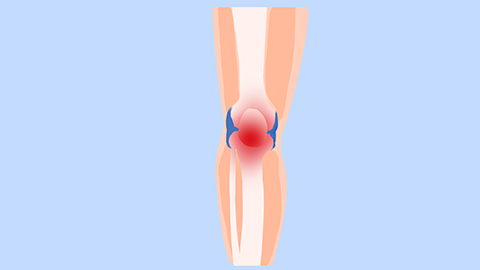
Nonsteroidal anti-inflammatory drugs are a class of non-steroidal medications with anti-inflammatory, analgesic, and antipyretic effects. They are widely used in clinical practice. By inhibiting cyclooxygenase and reducing prostaglandin production, NSAIDs exert anti-inflammatory and pain-relieving effects. If symptoms of osteitis occur, NSAIDs can be used under medical guidance. These drugs can effectively alleviate pain caused by osteitis, including headaches, joint pain, and muscle pain. By inhibiting the release of inflammatory mediators and reducing local inflammatory responses, NSAIDs decrease the sensitivity of nerve endings, thereby relieving pain. Additionally, NSAIDs inhibit the synthesis and release of inflammatory mediators, reducing local inflammatory reactions such as redness, swelling, heat, and pain.
During the treatment period, patients should maintain a healthy lifestyle, avoid excessive fatigue, and engage in appropriate exercise to promote bone health.



