


Can patients with Hashimoto's thyroiditis consume high-iodine foods?
Feb 21, 2025
Source: Cainiu Health

Dr. Yang Chuanjia
Introduction
Hashimoto's thyroiditis, also known as Hashimoto's disease, typically requires patients to avoid high-iodine foods. Hashimoto's thyroiditis is an autoimmune disorder in which the patient's thyroid gland may be particularly sensitive to iodine intake. Excessive iodine consumption may stimulate the thyroid gland, worsen thyroid dysfunction, and potentially exacerbate the autoimmune inflammatory response, thereby increasing thyroid gland damage.
Hashimoto's thyroiditis, also known as Hashimoto's disease, typically requires patients to avoid high-iodine foods.
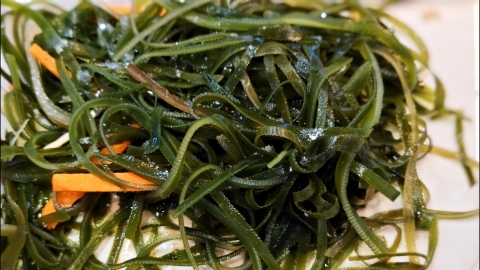
Hashimoto's thyroiditis is an autoimmune disorder in which the thyroid gland may be particularly sensitive to iodine intake. Excessive iodine consumption may stimulate the thyroid gland, worsening thyroid dysfunction and potentially exacerbating autoimmune inflammation, thereby increasing thyroid damage. Therefore, to prevent worsening of the condition, patients with Hashimoto's thyroiditis should limit their intake of high-iodine foods. These foods mainly include seaweed, kelp, sea fish, sea shrimp, and other seafood products, which have high iodine content and are not suitable for patients with Hashimoto's thyroiditis.
The diet of patients with Hashimoto's thyroiditis should be bland, easily digestible, and nutritionally balanced. In addition to avoiding high-iodine foods, patients should also avoid spicy, irritating foods, as well as high-fat and high-cholesterol foods. Instead, patients can consume moderate amounts of low-iodine foods and focus on supplementing with selenium and high-fiber foods, such as eggs, salted duck eggs, soy products, milk, meat, vegetables, and fruits. These foods help provide necessary nutrients without increasing the burden on the thyroid gland.



