Can a glioma in the frontal lobe be cured by complete surgical resection?
Feb 21, 2025
Source: Cainiu Health

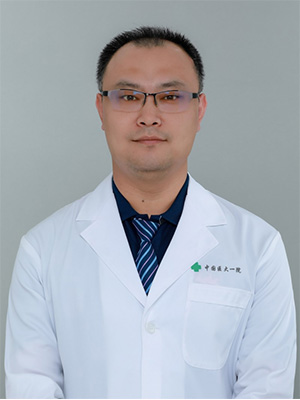
Dr. Qi Zhirong
Introduction
Generally, if a frontal lobe glioma is grade I and successfully completely resected, a cure may be achievable; however, if the tumor grade is higher or complete resection is not achieved, it may be difficult to cure. When a frontal lobe glioma reaches grade II or higher, it typically exhibits increased malignancy, unclear boundaries, and a tendency to infiltrate surrounding tissues, making complete surgical resection challenging.
Generally, if a frontal lobe glioma is grade I and successfully completely resected, a cure may be achievable. However, when the tumor grade is higher or complete resection is not achieved, a cure may be difficult. If concerned, it is recommended to seek medical advice in advance. Detailed analysis is as follows:

Grade I frontal lobe gliomas typically have a relatively low degree of malignancy and well-defined borders, making complete surgical removal possible. After surgery, if pathological examination confirms complete tumor removal without residual cancer cells, the patient may be cured, and the chance of postoperative recurrence is relatively low.
Frontal lobe gliomas may be difficult to cure when the tumor grade is higher or other adverse factors exist. When a frontal lobe glioma reaches grade II or higher, the malignancy level is typically higher, the borders are poorly defined, and the tumor tends to infiltrate surrounding tissues. This makes complete surgical resection challenging, and even after surgery, total tumor removal cannot always be guaranteed. Residual tumor cells may lead to recurrence, and adjuvant therapies such as radiotherapy and chemotherapy may be required to improve the patient's quality of life and prolong survival.
Patients with frontal lobe glioma should develop an individualized treatment plan under the guidance of a specialist and actively cooperate with treatment. Additionally, regular follow-up examinations should be conducted post-surgery to detect and manage any possible recurrence or complications promptly.