


What is uterine fluid accumulation?
May 25, 2021
Source: Cainiu Health
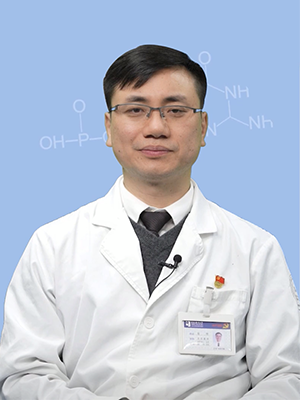
Dr. Yi Ping
Introduction
Uterine fluid accumulation primarily results from inflammatory exudates. When inflammatory secretions within the uterus cannot drain outward or drainage is impaired, fluid accumulates in the uterine cavity. The most common cause is ascending infection from endometritis and cervicitis. Key clinical manifestations include lower abdominal heaviness or pain, often accompanied by systemic symptoms such as fever and elevated white blood cell count. Physical examination may reveal uterine tenderness, adnexal tenderness, and inflammatory masses.
Uterine fluid accumulation—also known as intrauterine (or endometrial cavity) fluid accumulation—requires careful observation upon symptom onset, as it is often caused by underlying pathological conditions. This condition primarily results from inflammatory exudates; when inflammatory secretions within the uterus cannot drain outward or are inadequately drained, fluid accumulates in the uterine cavity.

The most common cause is ascending infection secondary to endometritis or cervicitis. Typical symptoms include lower abdominal heaviness or pain, often accompanied by systemic manifestations such as fever and elevated white blood cell count. Physical examination may reveal uterine tenderness, adnexal tenderness, and inflammatory masses. Cervical adhesions or obstruction—or cervical canal stenosis or atresia—can impede normal menstrual outflow, leading over time to intrauterine fluid accumulation.
Additionally, during menstruation, shedding of the endometrium renders the uterine cavity temporarily open, creating an environment conducive to bacterial proliferation. Poor menstrual hygiene or sexual intercourse during menstruation increases susceptibility to infection, potentially triggering intrauterine inflammation. Some women may also be found to have intrauterine fluid accumulation on ultrasound just before or shortly after menstruation ends—this may represent a physiological (non-pathological) finding. Moreover, postmenopausal women are prone to intrauterine fluid accumulation due to cervical canal adhesions; thus, timely diagnosis and treatment are essential whenever fluid accumulation is detected.


