


Can long-term oxygen inhalation improve cerebral hypoxia?

Long-term oxygen therapy usually improves cerebral hypoxia and is recommended to be carried out under medical guidance.
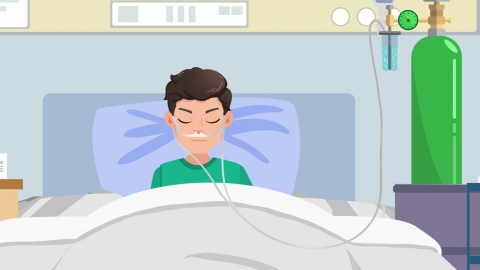
For patients with persistent hypoxemia caused by chronic obstructive pulmonary disease, pulmonary heart disease, sleep apnea syndrome, and similar conditions, long-term oxygen therapy can increase blood oxygen saturation and improve oxygen supply to the brain and other tissues, thereby alleviating symptoms of cerebral hypoxia. Additionally, appropriate oxygen therapy can provide certain adjunctive therapeutic benefits during the recovery phase of some acute cerebrovascular diseases.
However, it is important to note that more oxygen is not necessarily better. Oxygen therapy should be administered in appropriate amounts based on individual physical condition and health status, under a doctor's supervision. During oxygen therapy, patients' responses should be closely monitored, and the oxygen concentration and duration should be adjusted timely according to the patient's condition to avoid risks. In addition to oxygen therapy for treating cerebral hypoxia, other treatment measures should also be combined, such as improving cerebral blood circulation and promoting brain cell metabolism, to achieve better therapeutic outcomes.
In daily life, it is recommended to maintain a light diet, rest appropriately, and engage in regular physical activity, all of which are beneficial for brain health.


