


Can chewing slowly and thoroughly help prevent foreign objects from entering the trachea?

Generally speaking, eating slowly and chewing thoroughly can help avoid foreign objects entering the trachea to some extent, but it cannot completely prevent this from happening. A detailed explanation is as follows:
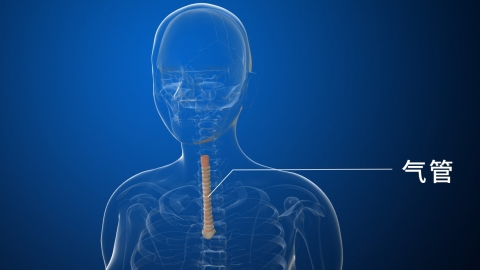
Chewing food slowly is a good eating habit. By adequately chewing food into smaller particles, it becomes easier to swallow. During this process, food mixes thoroughly with saliva, forming a bolus that facilitates smooth passage into the esophagus rather than mistakenly entering the trachea. Therefore, developing the habit of chewing food slowly and eating deliberately can effectively reduce the risk of foreign objects entering the trachea.
However, in certain special situations—such as individuals suffering from swallowing disorders, children or elderly people with delayed swallowing reflexes due to physiological reasons, or during episodes of being startled or laughing while eating—even chewing food slowly may not prevent foreign objects from entering the trachea. Additionally, food that is overly slippery or irregularly shaped can also increase the risk of aspiration.
It is recommended to learn first-aid measures for dealing with foreign objects in the trachea so that timely assistance can be provided in emergency situations.


