


How to improve poor gastrointestinal absorption function

Poor gastrointestinal absorption function may be caused by factors such as unhealthy eating habits, disrupted lifestyle rhythms, intestinal flora imbalance, small bowel malabsorption syndrome, and chronic gastritis. It can generally be improved through dietary and lifestyle adjustments or targeted treatment based on the specific cause. If abnormalities occur, prompt medical attention is recommended. Detailed explanations are as follows:
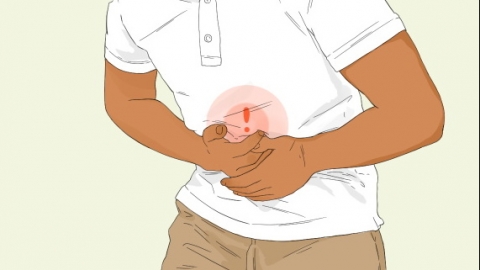
1. Unhealthy eating habits: Long-term irregular eating patterns, overeating, or a preference for greasy and spicy foods may increase the burden on the gastrointestinal tract and impair normal absorption function. It is recommended to adjust eating habits by maintaining regular meal times and appropriate portion sizes, chewing food thoroughly, increasing dietary fiber intake, and reducing consumption of greasy and irritating foods.
2. Disrupted lifestyle rhythms: Long-term late-night sleeping, high mental stress, lack of physical activity, and other unhealthy lifestyle habits may lead to gastrointestinal dysfunction, thereby affecting absorption. It is recommended to adjust lifestyle patterns, ensure adequate sleep, engage in moderate physical activity such as walking or yoga, and relieve stress to promote gastrointestinal motility.
3. Imbalance of intestinal flora: Dysbiosis of the intestinal microbiota may lead to a reduction in beneficial bacteria and an increase in harmful bacteria, thereby affecting digestive and absorptive functions. Symptoms may include diarrhea, constipation, and bloating. Treatment options include supplementing with probiotics, adjusting dietary patterns, and using antibiotics when necessary.
4. Small bowel malabsorption syndrome: This condition refers to impaired nutrient absorption from food due to damage or dysfunction of the small intestinal mucosa, which may lead to weight loss and malnutrition. Treatment mainly involves targeted interventions based on underlying causes, such as dietary improvements and the use of digestive enzymes.
5. Chronic gastritis: Chronic gastritis is a chronic inflammation of the stomach lining that may cause mucosal damage and impair digestion and absorption. Symptoms may include stomach pain, bloating, and acid reflux. Medications such as omeprazole enteric-coated tablets, lansoprazole tablets, and pantoprazole enteric-coated tablets may be used as directed by a physician to alleviate symptoms. Additionally, dietary adjustments should be made to avoid consumption of irritating foods.
It is recommended to maintain a healthy lifestyle, ensure adequate sleep, improve dietary habits, adjust physical condition, and promote overall health.


