


What should I do if my sunburn is red and painful?
Feb 24, 2025
Source: Cainiu Health

Dr. Liu Wenmin
Introduction
Sunburn-related redness and pain are mainly caused by direct exposure, sensitive skin, drug reactions, dehydration, and solar dermatitis. Treatment typically includes local cold compresses, application of soothing creams, avoiding further sun exposure, and necessary medical interventions. In daily life, it is advisable to avoid going outdoors during periods of intense sunlight; if outdoor exposure is unavoidable, appropriate sun protection measures should be taken.
Sunburn-induced redness and pain are mainly caused by direct exposure, skin sensitivity, drug reactions, dehydration, and solar dermatitis. Symptoms can be alleviated through general treatments and medication. If abnormalities occur, prompt medical attention is recommended. Detailed analysis is as follows:
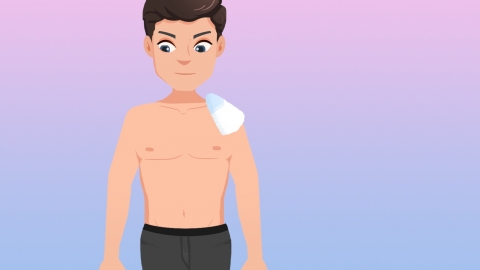
1. Direct exposure: In environments with strong sunlight, direct exposure of the skin without any sun protection measures can lead to sunburn symptoms such as redness and pain due to ultraviolet radiation directly affecting the skin. Immediate local cold compresses are recommended to reduce pain and swelling, along with applying creams containing soothing ingredients like aloe vera and green tea to aid skin recovery.
2. Skin sensitivity: Some individuals naturally have more sensitive skin with a lower tolerance for UV radiation, making them prone to severe sunburn reactions after sun exposure. In addition to cold compresses and applying soothing creams, it is advisable to enhance sun protection measures in daily life, such as using high SPF sunscreen, wearing hats, and wearing long-sleeved clothing.
3. Drug reaction: Certain medications may increase skin sensitivity to UV radiation after consumption, leading to sunburn symptoms following sun exposure, including some antibiotics, diuretics, and antidepressants. It is recommended to consult a physician, as dosage adjustments or medication changes may be necessary, along with enhanced sun protection measures.
4. Dehydration: Sunburn not only damages the skin but also causes loss of body fluids, especially in hot weather, where dehydration can worsen sunburn symptoms, accompanied by thirst, reduced urine output, dizziness, and fatigue. Timely hydration with water or electrolyte-containing beverages is recommended. Using skincare products containing moisturizing ingredients like glycerin and allantoin can help the skin retain moisture.
5. Solar dermatitis: Prolonged heavy physical labor or intense exercise under strong sunlight can lead to solar dermatitis, characterized by skin redness, stinging pain, and in severe cases, blisters or large bullae. Protective measures such as wide-brimmed hats, umbrellas, and sunscreen should be used to protect the skin from further damage. It is recommended to use medications such as boric acid ointment, zinc oxide ointment, and compound menthol ointment under a doctor's guidance for treatment.
In daily life, avoid going outdoors during peak sunlight hours. If outdoor exposure is unavoidable, take sun protection measures such as applying sunscreen, wearing a hat, and wearing long-sleeved clothing.



