


How to treat corns on the feet

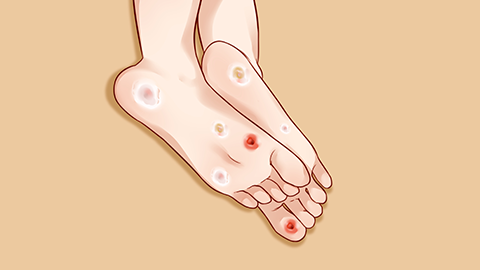
Generally, the development of corns on the feet may be caused by improper footwear, poor walking posture, athlete's foot infection, folliculitis, diabetes, and other reasons. It is recommended to seek timely medical attention to determine the underlying cause and then proceed with general treatment and medication under the guidance of a qualified physician. Detailed analysis is as follows:
1. Improper Footwear
Wearing tight or high-friction shoes for prolonged periods increases foot pressure, especially on the toes and soles, leading to thickening of the skin's keratin layer and the formation of corns. It is recommended to switch to appropriate footwear, choosing shoes and socks that are spacious and breathable to reduce friction and pressure on the feet.
2. Poor Walking Posture
Incorrect gait or standing posture can alter the pressure points on the feet, causing certain areas to bear excessive pressure, which leads to abnormal keratin layer growth and the formation of corns. Correcting walking posture is recommended, and consulting a professional physical therapist for gait training when necessary. Using orthopedic insoles or customized insoles can help distribute foot pressure and reduce the occurrence of corns.
3. Athlete's Foot Infection
An athlete's foot infection causes inflammatory reactions on the foot skin, thickening the local skin and forming keratin layer hyperplasia, making corns more likely to develop. Symptoms may include itching, peeling, and redness. It is recommended to use antifungal medications such as clotrimazole cream, bifonazole gel, and terbinafine hydrochloride spray to control the athlete's foot infection. Preventive measures, such as maintaining foot cleanliness and dryness, should also be taken.
4. Folliculitis
Poor personal hygiene can lead to Staphylococcus aureus infection on the foot skin, potentially causing folliculitis. Under inflammatory stimulation, the keratin layer around the hair follicles on the foot may thicken, resulting in corns. Symptoms may also include redness, swelling, and pain. It is recommended to use medications such as erythromycin ointment, mupirocin ointment, and fusidic acid cream under a doctor's guidance.
5. Diabetes
Diabetes is a group of metabolic disorders characterized by chronic elevation of blood glucose levels. Diabetic neuropathy and circulatory disorders can lead to reduced foot sensation and decreased skin healing capacity, increasing the likelihood of corn formation. Symptoms may include increased thirst, frequent urination, and weight loss. It is recommended to strictly control blood glucose levels, regularly examine the feet, and promptly address corn issues. Medications such as metformin hydrochloride sustained-release tablets, glipizide tablets, and acarbose tablets may be used as directed by a physician.
When treating corns on the feet, it is important to choose suitable treatment methods according to individual circumstances. At the same time, maintaining good living habits and a positive mindset is essential.


