


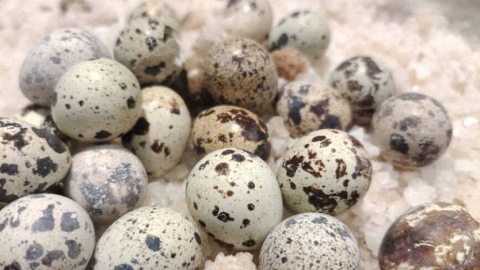
What nutrients can be obtained from eating quail eggs?

Generally speaking, eating pigeon eggs can provide high-quality protein, abundant fats, carbohydrates, various vitamins, phospholipids, and lecithin. The specific details are as follows:
1. High-Quality Protein
Pigeon eggs are rich in protein, mostly high-quality protein, which is easily absorbed and utilized by the human body. Protein is the basic substance for constructing human cells, tissues, and organs, playing an important role in maintaining life activities, promoting growth and development, and repairing damaged tissues.
2. Abundant Fats
Pigeon eggs contain moderate amounts of fat, mostly unsaturated fatty acids, which are beneficial to human health. Unsaturated fatty acids help lower cholesterol levels, prevent cardiovascular diseases, and also serve as an important source of energy for the body.
3. Carbohydrates
Although the carbohydrate content in pigeon eggs is relatively low, they still represent an important nutrient required by the body. Carbohydrates mainly provide energy and help maintain normal physiological functions.
4. Various Vitamins
Pigeon eggs contain vitamins such as vitamin A, vitamin D, and B-complex vitamins. These vitamins play important roles in maintaining normal visual function, promoting calcium absorption, participating in energy metabolism, and nerve conduction.
5. Phospholipids and Lecithin
Pigeon eggs also contain nutrients such as phospholipids and lecithin, which are important for maintaining cell membrane structure, promoting brain development, and supporting nervous system function. Phospholipids and lecithin help protect brain cells, improve memory, and prevent neurological diseases such as Alzheimer's disease.
When consuming pigeon eggs, it is important to maintain a balanced intake to ensure nutritional equilibrium and avoid excessive consumption that may lead to nutritional overload or other health problems.


