


Can antibiotics treat thyroiditis?
Feb 26, 2025
Source: Cainiu Health

Dr. Yang Chuanjia
Introduction
In general, acute suppurative thyroiditis can be treated with antibiotics. However, for thyroiditis caused by autoimmune diseases, antibiotic use is not recommended. Whether to use antibiotics for treating thyroiditis should be determined by a qualified physician based on the patient's specific condition. Patients with thyroiditis should develop good lifestyle habits during treatment and avoid consuming spicy and irritating foods.
Generally, antibiotics can be used to treat acute suppurative thyroiditis, while thyroiditis caused by autoimmune diseases does not warrant the use of antibiotics. Whether antibiotics should be used to treat thyroiditis should be determined by a qualified physician based on the patient's specific condition. Detailed analysis is as follows:
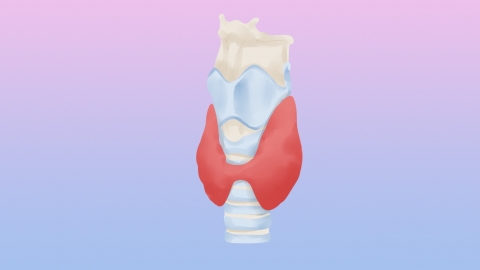
Acute suppurative thyroiditis is usually caused by bacterial infection, and appropriate use of antibiotics can be helpful in such cases. Antibiotics can effectively control the infection, relieve symptoms, and promote recovery. For example, antibiotic medications such as amoxicillin capsules, cefixime granules, or ceftriaxone sodium for injection may be used as directed by a physician.
Antibiotics are ineffective against thyroiditis caused by autoimmune diseases such as Hashimoto's thyroiditis and painless thyroiditis. These types of thyroiditis occur when the body's immune system mistakenly attacks the thyroid tissue, rather than being caused by bacterial or viral infections. Therefore, antibiotics cannot treat these conditions and may cause unnecessary side effects.
Patients with thyroiditis should develop good lifestyle habits during treatment and avoid consuming spicy and irritating foods such as pepper, chili peppers, and garlic, as these may hinder recovery.








