


Can hypoechoic kidneys be cured through treatment?

If renal hypoechoic areas are caused by benign lesions, timely treatment may lead to recovery. If they are caused by malignant lesions, however, recovery through treatment may not be possible. It is recommended to seek timely medical attention and clarify the underlying cause under the guidance of a qualified physician before proceeding with treatment.
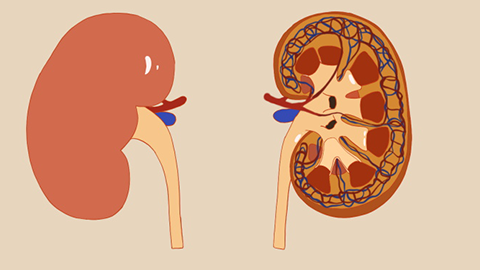
Renal hypoechoic areas may be caused by benign conditions such as renal cysts or kidney stones. Small, simple renal cysts typically require no special treatment and only regular monitoring. Larger cysts that cause symptoms can be treated through aspiration, drainage, or surgical removal, with a relatively high cure rate. For kidney stones, treatment options include medication for stone expulsion, extracorporeal shock wave lithotripsy, or endoscopic stone removal, depending on the size and location of the stones. Most patients can achieve symptom relief or full recovery with appropriate treatment.
If renal hypoechoic areas are caused by malignant conditions such as renal cell carcinoma, the treatment becomes more challenging and the likelihood of complete recovery decreases, potentially making a cure unattainable. In such cases, comprehensive treatment strategies including tumor resection, radiation therapy, and others should be implemented under a physician's guidance to control disease progression and prolong the patient's survival. If kidney disease has advanced to a severe or late stage, such as kidney failure, the difficulty of treatment increases and the likelihood of recovery correspondingly diminishes.
During treatment, it is important to adjust lifestyle habits and maintain a healthy lifestyle, including balanced nutrition, moderate physical activity, and maintaining a positive mental outlook.


