


Can the lungs recover after quitting smoking for long-term smokers?

After quitting smoking, long-term smokers whose smoking history is relatively short and whose lung function has not been severely affected usually experience lung recovery. However, if the smoking history is long and lung function has been significantly impaired, the lungs may recover after quitting, but not completely.
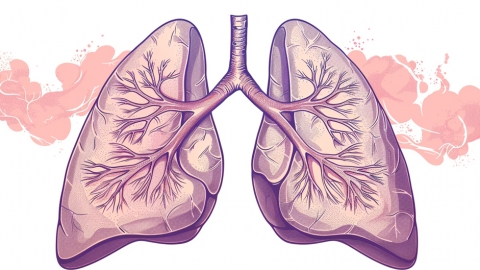
Long-term smokers who have smoked for a shorter duration, smoked less, and have not sustained severe lung damage still have some potential for lung recovery after quitting. Shortly after quitting, the cilia in the lungs begin to resume their normal functions, helping to clear smoke, dust, and harmful substances from the lungs. Several months to years after quitting, inflammation in the trachea and bronchi may gradually decrease, and lung function may improve to some extent, with a corresponding relief of symptoms such as shortness of breath.
For individuals who have smoked heavily for a prolonged period, the lungs may already have sustained significant damage. This damage may include irreversible injuries such as pulmonary fibrosis. In such cases, even if smoking cessation is successful, it can only slow down the progression of lung damage rather than restore the lungs to full health. However, it is important to note that quitting smoking can still reduce further health risks caused by smoking, improve quality of life, and extend life expectancy.
Healthy lifestyle habits should be adopted after quitting smoking, including balanced nutrition and increased outdoor physical activity, to promote lung recovery and overall physical well-being.


