


Can antiallergic medications treat dry cough?

Antiallergic medications can usually treat dry cough caused by allergic reactions, but they are generally ineffective for dry cough resulting from other causes. It is recommended to seek timely medical attention and identify the underlying cause under the guidance of a qualified physician before initiating treatment.
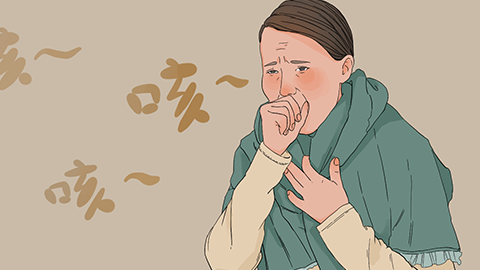
When dry cough is caused by allergic diseases such as allergic rhinitis or allergic bronchitis, antiallergic medications can alleviate the allergic reaction and relieve symptoms such as throat itching and coughing. For example, antihistamines like loratadine and cetirizine can inhibit histamine-induced allergic reactions, thereby relieving dry cough.
Antiallergic medications are usually ineffective for dry cough caused by non-allergic factors. Bacterial or viral upper respiratory tract infections typically require treatment with antibiotics or antiviral medications. Drug-induced cough or cardiac cough also require targeted treatment based on the specific cause. Before using antiallergic medications to treat dry cough, it is important to first identify the cause of the cough to ensure it is indeed due to an allergic reaction.
In daily life, maintaining fresh indoor air, avoiding exposure to allergens, engaging in regular exercise, and enhancing personal immunity are all beneficial for overall health.


