


Can lotus root and bean sprouts be eaten together?

Under normal circumstances, lotus root and bean sprouts can be eaten together. The detailed analysis is as follows:
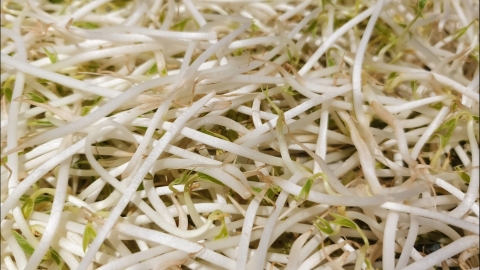
Lotus root is rich in dietary fiber, vitamin C, and various minerals such as iron and calcium. These components positively promote digestion, enhance immunity, and help maintain bone health. Bean sprouts, especially mung bean sprouts, are rich in B-complex vitamins and vitamin E. They are also low in calories and high in water content, which helps promote metabolism and beautify the skin. Combining these two ingredients for consumption will not cause any conflict; rather, they complement each other nutritionally, providing more balanced nourishment for the body.
Additionally, from the perspective of traditional Chinese medicine and dietary therapy, lotus root has a cool nature and sweet taste, offering effects such as clearing heat, promoting body fluid production, cooling blood, and stopping bleeding. Bean sprouts have a slightly cold nature and can help remove dampness and clear heat. Eating them together can effectively help clear heat and toxins, especially during summer or when there is internal heat toxicity, thereby regulating the internal body environment and significantly benefiting health. Therefore, combining lotus root with bean sprouts is scientifically reasonable.
When selecting lotus root and bean sprouts for consumption in daily life, it is important to pay attention to the freshness of the ingredients. Ensure the lotus root purchased is crisp, tender, and free of spots, and the bean sprouts are white and odorless, to avoid the risk of food poisoning caused by spoiled ingredients.


