


What are the side effects of Bai Shao?

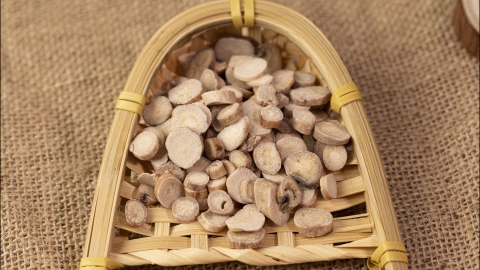
Generally, Bai Shao (white peony root) is the dried root of the peony plant from the Ranunculaceae family. It has functions of nourishing blood and regulating menstruation, restraining yin and stopping sweating, soothing the liver to relieve pain, and subduing hyperactive liver yang. Its potential side effects may include abdominal pain and diarrhea, effects on coagulation function, impacts on liver function, suppression of the central nervous system, and reduced appetite. Detailed analysis is as follows:
1. Abdominal Pain and Diarrhea
Bai Shao has a certain laxative effect, especially the unprocessed (raw) form. If the dosage is too high or if the individual has a cold deficiency of the spleen and stomach, it may accelerate intestinal peristalsis, leading to symptoms such as abdominal pain and diarrhea. These symptoms typically manifest as mild abdominal pain followed by increased frequency of bowel movements, with stools possibly being watery or unformed.
2. Impacts on Coagulation Function
Bai Shao has a certain anti-thrombotic effect; therefore, it may influence coagulation function to some extent. Prolonged use or concurrent use with other anticoagulant medications may increase the risk of bleeding. Patients with coagulation disorders or those receiving anticoagulant therapy should use Bai Shao under a physician's guidance.
3. Effects on Liver Function
Long-term or excessive use of Bai Shao may have certain effects on the liver. Therefore, individuals with liver disease or those taking medications that affect the liver should consult a physician before using Bai Shao to ensure safe medication use.
4. Suppression of the Central Nervous System
Bai Shao has a certain inhibitory effect on the central nervous system. Overdose may excessively enhance this suppression, potentially causing symptoms such as drowsiness, mental fatigue, and delayed reactions, thereby affecting the normal function of the nervous system and mental status.
5. Reduced Appetite
Bai Shao may affect the digestive function of the gastrointestinal tract, leading to symptoms such as decreased appetite and indigestion in some individuals. Especially in those with weak digestive function, after taking Bai Shao, individuals may feel bloated and lose their appetite, affecting nutrient intake and absorption.
To ensure safe medication use, patients are advised to use Bai Shao rationally under a physician's guidance and pay attention to monitoring their own reactions, seeking medical attention promptly if any adverse effects occur.


