


Can I eat fruit in the afternoon after having a gastroscopy in the morning?

Generally, gastroscopy refers to a gastroscopic examination. If a gastroscopy is performed in the morning, patients can usually eat fruits in the afternoon, but moderation is recommended. However, if invasive procedures were performed during the examination, or if the patient experiences physical discomfort, eating fruits is generally not advised.
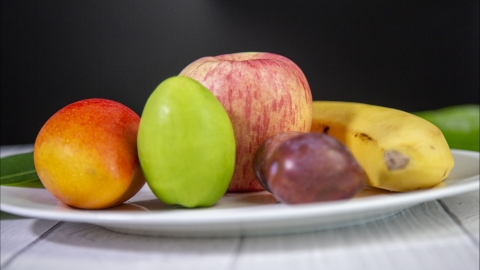
If no complications such as bleeding or perforation occur during the morning gastroscopy and the patient feels well after the procedure without significant discomfort, such as nausea or vomiting, fruits that are easy to digest and non-irritating to the stomach, such as bananas, apples, and ripe pears, may be consumed in moderation in the afternoon with the doctor's approval. These fruits not only provide essential nutrients but can also aid in the recovery of the gastrointestinal tract.
If biopsies or polyp removals were performed during the gastroscopy, resulting in larger wounds on the gastric mucosa, the recovery period will be prolonged accordingly. In such cases, patients should avoid eating fruits shortly after the procedure to prevent irritation to the wound and delay healing. If the wound is small, patients may gradually resume their normal diet within 1–2 days after the gastroscopy and eat fruits in moderation under the guidance of a doctor. However, if the wound is large, a longer waiting period is necessary.
After a gastroscopy, patients should closely monitor their physical condition. The daily diet should primarily consist of mild and easily digestible foods, avoiding any irritating foods that might加重 gastrointestinal burden or trigger complications such as bleeding.


