


Can CT detect small lesions in the gastric mucosa?

CT refers to a CT scan, which generally cannot detect minor lesions in the gastric mucosa. If you experience any discomfort, it is recommended to seek medical attention promptly.
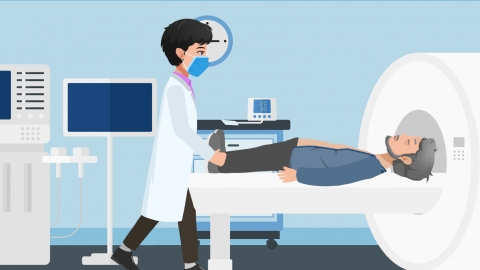
For minor gastric mucosal lesions, especially tiny abnormalities deeply embedded beneath the gastric mucosa, the detection capability of CT scans is limited. CT scans typically cannot identify small lesions in the gastric mucosa due to the relatively thin nature of the mucosa and potential interference from gas and food residue within the stomach, which may compromise image quality and make small lesions difficult to identify. In such cases, gastroscopy offers a significant advantage in detecting gastric mucosal lesions, allowing direct visualization of mucosal abnormalities and enabling early detection of gastric cancer.
CT scans utilize X-ray imaging technology primarily to identify space-occupying lesions, such as gastric stromal tumors, polyps, malignant lymphomas, and gastric cancer masses. They can also provide a preliminary assessment of gastric structure, clearly showing the gastric wall and surrounding anatomy, which helps detect lesions outside the gastric wall and in adjacent tissues. Additionally, biopsies can be taken during CT scans for pathological examination to determine the nature and extent of the lesion.
It is recommended to choose the appropriate diagnostic method under a physician's guidance, and, when necessary, combine CT scans with gastroscopy to achieve a more accurate diagnosis.


