


Can inhibiting gastric acid secretion relieve dry heaving?

Inhibiting gastric acid secretion can alleviate dry heaving to some extent, but it cannot relieve all symptoms of dry heaving. It is recommended to seek timely medical attention, identify the underlying cause, and receive appropriate treatment under the guidance of a qualified physician.
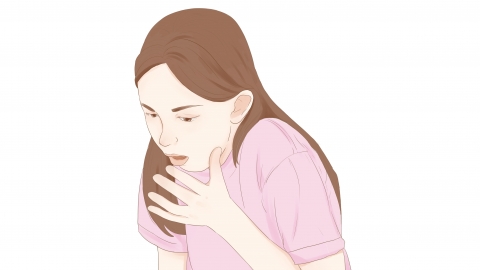
When dry heaving is caused by acid reflux, excessive stomach acid irritates the esophagus and throat, triggering the vomiting reflex. In such cases, using medications such as proton pump inhibitors or H2 receptor antagonists to inhibit gastric acid secretion can reduce the irritation of the esophagus by stomach acid, thereby helping to alleviate dry heaving. Particularly for patients whose excessive gastric acid secretion—caused by conditions like gastritis or peptic ulcer—triggers dry heaving, treatment aimed at inhibiting gastric acid secretion may help improve symptoms.
In some cases, dry heaving may be caused by delayed gastric emptying or indigestion, which is unrelated to the amount of gastric acid secreted, and suppressing gastric acid production may not address the underlying issue. Dry heaving can arise from various causes beyond excessive gastric acid secretion, including indigestion, insufficient gastric motility, and Helicobacter pylori infection. In these situations, simply inhibiting gastric acid secretion may not fully relieve symptoms of dry heaving, and additional treatment measures may be necessary.
In daily life, attention should be paid to dietary hygiene, avoiding overeating or consuming excessively fatty or spicy foods, to prevent episodes of dry heaving.


