


Does bile reflux gastritis affect digestive function?
Mar 04, 2025
Source: Cainiu Health

Dr. Shen Yonghua
Introduction
If the condition of bile reflux gastritis is mild, patients may only experience slight stomach discomfort, such as occasional stomach pain or heartburn. In such cases, digestive function may be minimally affected, and daily eating habits and the digestive process remain largely normal. With appropriate treatment, such as taking antacid medications or drugs that enhance gastrointestinal motility, symptoms can be effectively relieved.
If the condition of bile reflux gastritis is relatively mild and receives timely and effective treatment, it generally does not affect digestive function. However, if the condition is severe or treatment is delayed, digestive function may be impacted. It is recommended to seek timely medical attention, identify the underlying cause, and undergo symptomatic treatment under the guidance of a qualified physician.
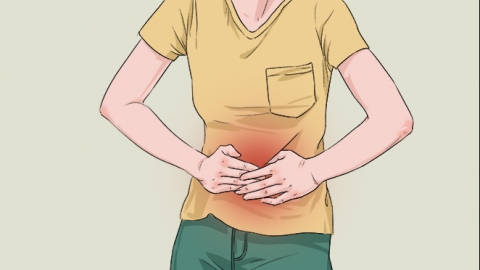
If bile reflux gastritis is mild, patients may experience only slight discomfort in the stomach, such as occasional stomach pain or heartburn. In such cases, the impact on digestive function is likely to be minimal, with normal eating habits and digestion generally maintained. With appropriate treatment, such as taking acid-reducing medications or drugs that promote gastrointestinal motility, symptoms can be effectively relieved, the irritation of bile on the gastric mucosa can be reduced, thereby maintaining relatively stable digestive function.
Bile reflux gastritis is caused by the backflow of bile from the duodenum into the stomach, resulting in damage and inflammation of the gastric mucosa. If the condition is severe, bile reflux can damage the protective barrier of the gastric mucosa, leading to inflammation, erosion, or even ulcers of the gastric mucosa, thus affecting the stomach's normal physiological function. In such cases, patients may experience symptoms of indigestion, including upper abdominal pain, bloating, nausea, vomiting, and loss of appetite, and digestive function may be impaired.
It is recommended to follow medical advice for standardized treatment while also adjusting lifestyle and dietary habits. During treatment, spicy, greasy, and irritating foods should be avoided to reduce the burden on the stomach.



