


Why Does Eating Lychee Cause Numbness in the Mouth?
Mar 04, 2025
Source: Cainiu Health

Dr. Lv Zhiqin
Introduction
Under normal circumstances, the reasons for mouth numbness after eating lychee include the presence of a large amount of fructose, plant acids, polyphenolic substances, allergic reactions, and pesticide residues. Lychee contains significant amounts of fructose, which, when consumed in large quantities, can be broken down by oral bacteria into acidic substances. These acids may irritate the oral mucosa and nerve endings, potentially causing a numb sensation in the mouth.
Generally, the reasons why eating lychee may cause mouth numbness include its high fructose content, presence of plant acids, presence of polyphenolic substances, allergic reactions, and pesticide residues. Details are as follows:
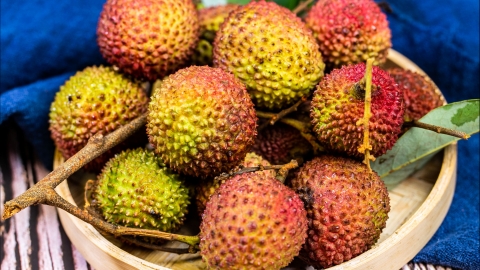
1. High Fructose Content
Lychee contains a large amount of fructose. After consuming excessive amounts of lychee, oral bacteria may break down this fructose, producing acidic substances that could irritate the oral mucosa and nerve endings, leading to a sensation of numbness in the mouth.
2. Presence of Plant Acids
Lychee contains certain plant acids such as citric acid and malic acid. These acidic substances may irritate the oral mucosa, especially when the mucosa is damaged or particularly sensitive, making it more likely to cause discomfort such as mouth numbness and tingling.
3. Presence of Polyphenolic Substances
Lychee also contains polyphenolic substances such as tannins. Tannins have astringent properties and can bind with proteins in the mouth, causing the proteins in the oral mucosa to coagulate, thus producing a dry, numb sensation and affecting nerve perception within the oral cavity.
4. Allergic Reaction
Some individuals may be allergic to certain components in lychee. After consumption, the body may experience an allergic reaction. In addition to mouth numbness, symptoms such as lip swelling, rash, and itching may also appear.
5. Pesticide Residues
If pesticides were used during the growth of lychees and they were not thoroughly cleaned after harvesting, residual pesticides may irritate the oral mucosa and nerves, causing mouth numbness. Chemical components in pesticides may interfere with the normal functioning of nerve cells, resulting in abnormal sensations.
To avoid the numbing sensation caused by lychee consumption, it is recommended to consume lychee in moderation and pay attention to individual reactions to lychee.



