


Can abnormal nerve function cause headaches?

Abnormal nerve function may cause headaches, but not all nerve function abnormalities lead to headaches. If you experience any discomfort, it is recommended to seek medical attention promptly.
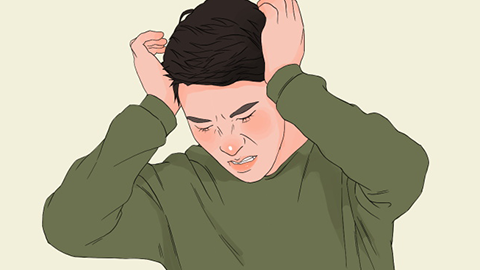
Neurological dysfunction refers to impaired or disordered function of the nervous system, which may be caused by psychological factors, genetic factors, environmental factors, and others. Patients may experience a range of symptoms, including emotional instability, anxiety, depression, insomnia, and neurasthenia. Symptoms may also manifest as limb numbness, lack of pain sensation, and ataxia. Long-term psychological stress and tension can lead to neurological dysfunction, which may subsequently trigger headaches.
Although neurological dysfunction may be associated with headaches, not all types of nerve function abnormalities cause headaches. For example, certain neuromuscular diseases such as amyotrophic lateral sclerosis primarily affect motor neurons without directly causing headaches. Similarly, some neurodegenerative diseases like Alzheimer's disease mainly impact cognitive function, but headache is not a typical symptom.
For headaches caused by neurological dysfunction, treatment mainly involves medication and psychotherapy. In daily life, maintaining healthy habits, avoiding excessive fatigue and emotional fluctuations can also help prevent headaches caused by neurological dysfunction.


