What is the role of creatinine testing in kidney function examinations?
Mar 05, 2025
Source: Cainiu Health

Dr. Yang Guang
Introduction
In general, creatinine testing plays several roles in kidney function evaluation, including assessing kidney function, monitoring the progression of kidney disease, guiding drug therapy, evaluating acute kidney injury, and detecting early kidney function damage. Creatinine testing is only part of kidney function assessment and should be interpreted in conjunction with other indicators under the guidance of a physician for a comprehensive evaluation.
Generally, creatinine testing plays several important roles in kidney function evaluation, including assessing renal function, monitoring the progression of kidney disease, guiding drug therapy, evaluating acute kidney injury, and detecting early kidney dysfunction. A detailed analysis is as follows:
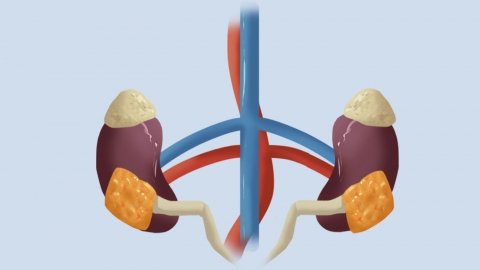
1. Assessing Kidney Function
Creatinine is one of the key indicators reflecting the filtration function of the kidneys. When kidney function is normal, the glomeruli effectively filter creatinine from the blood, allowing it to be excreted in urine. However, when kidney function is impaired, the glomerular filtration rate decreases, leading to a gradual increase in blood creatinine concentration.
2. Monitoring Progression of Kidney Disease
For patients already diagnosed with kidney disease, regular monitoring of creatinine levels helps track disease progression. If serum creatinine continues to rise, it indicates gradual deterioration of kidney function. At this point, patients need timely adjustments to their treatment plans to delay or prevent further kidney function decline.
3. Guiding Drug Therapy
Certain medications are primarily excreted through the kidneys. Patients with impaired kidney function must use these drugs cautiously. By measuring creatinine levels, doctors can assess kidney function and determine appropriate drug dosages, thus avoiding the risks of drug accumulation and toxicity.
4. Evaluating Acute Kidney Injury
In cases of suspected acute kidney injury, creatinine testing can quickly provide information regarding kidney function. A significant increase in creatinine levels within a short time may indicate the occurrence of acute kidney injury, requiring immediate intervention to protect kidney function.
5. Detecting Early Kidney Dysfunction
Although blood creatinine levels may remain within the normal range during the early stages of mild kidney dysfunction, continuous monitoring or combined analysis with other indicators might reveal a gradually increasing trend in creatinine levels, which could indicate the presence of early kidney damage.
Creatinine testing is only one component of kidney function assessment. Relying solely on creatinine levels to evaluate kidney function has certain limitations. Therefore, comprehensive interpretation combining other indicators under the guidance of a physician is necessary.