What is the effect of taurine on retinal function?
Mar 05, 2025
Source: Cainiu Health

Dr. Wang Shuai
Introduction
Taurine is a non-protein amino acid available in various dosage forms such as tablets and capsules. Generally, taurine helps protect retinal function, maintain visual function, scavenge free radicals, promote repair of eye tissues, and assist in the treatment of eye diseases. It is recommended to use taurine under the guidance of a physician. Additionally, ensuring adequate sleep in daily life can also aid in the repair and metabolism of retinal cells.
Taurine is a non-protein amino acid available in various dosage forms such as tablets and capsules. Under normal circumstances, taurine offers several benefits including protecting retinal function, maintaining visual function, antioxidant effects, promoting repair of eye tissues, and assisting in the treatment of eye diseases. It is recommended to use taurine under the guidance of a physician. Detailed explanations are as follows:
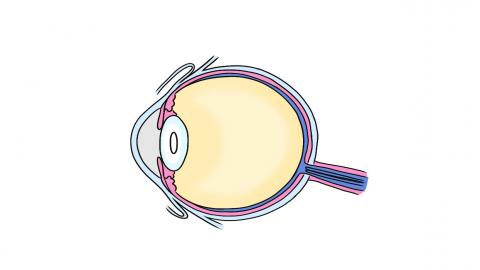
1. Protecting the Retina
Taurine is the most abundant amino acid in ocular tissues such as the retina, vitreous body, and lens. It helps stabilize the structure of retinal cell membranes and combat oxidative stress, thus protecting retinal cells from damage caused by free radicals.
2. Maintaining Visual Function
Taurine can promote the metabolism and regeneration of retinal cells, enhance the light sensitivity and adaptability of the retina, thereby helping to improve vision. In addition, taurine can facilitate visual signal transmission and increase the efficiency of visual information processing, which is beneficial for maintaining normal visual function.
3. Antioxidant Effects
Taurine is a natural antioxidant that can scavenge free radicals and reduce oxidative stress-induced damage to ocular tissues. This antioxidant effect also helps protect the retina from light-induced and other oxidative injuries.
4. Promoting Repair of Ocular Tissues
Taurine can regulate the proliferation, differentiation, and apoptosis of retinal cells. It can also promote the repair of corneal and conjunctival epithelial injuries, aiding in the healing of ocular wounds.
5. Assisting in the Treatment of Eye Diseases
Taurine can be used as an adjunctive treatment for ocular diseases such as acute conjunctivitis, herpes conjunctivitis, and viral conjunctivitis. Its pharmaceutical components exert anti-inflammatory and analgesic effects, which can promote recovery from these conditions.
It is recommended to maintain adequate sleep in daily life to allow the eyes sufficient rest, which helps in the repair and metabolism of retinal cells and maintains normal retinal function.