


Can improving physical condition prevent the absence of fetal heartbeat?
Mar 06, 2025
Source: Cainiu Health

Dr. Zhang Lu
Introduction
In general, pregnant women can improve their physical condition to some extent by adopting healthier lifestyles, maintaining a balanced diet, and engaging in regular exercise. These measures may help reduce the risk of fetal developmental abnormalities, including the occurrence of absent fetal heartbeat, although they cannot completely eliminate the risk. It is recommended that pregnant women attend regular prenatal checkups at the hospital to monitor their health status and the development of the fetus in a timely manner.
Generally, improving physical health can help reduce the risk of absent fetal heartbeat to some extent, but it cannot completely eliminate the possibility. A detailed analysis is as follows:
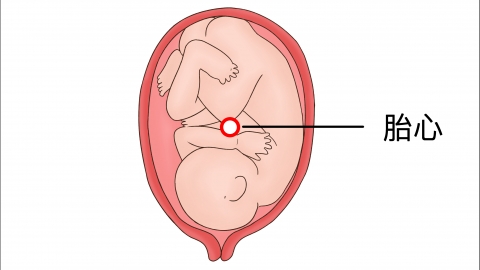
Absent fetal heartbeat refers to a situation where, after a certain period of pregnancy, the fetal heartbeat cannot be heard or detected through fetal heart monitoring. This may be caused by various factors, including abnormal embryonic development, maternal factors, and environmental influences. By improving lifestyle habits, maintaining a balanced diet, and engaging in regular exercise, pregnant women can improve their overall health condition to some extent, thereby helping to reduce the risk of fetal developmental abnormalities, including absent fetal heartbeat.
However, in some cases, even if a pregnant woman maintains good health and follows all preventive measures, absent fetal heartbeat can still occur. This may be due to genetic factors, chromosomal abnormalities, uterine structural issues, or other unknown causes. These factors are often beyond personal control, meaning that even with optimal maternal health, the risk of absent fetal heartbeat cannot be entirely avoided.
Pregnant women are advised to maintain a balanced diet, engage in moderate physical activity such as walking or yoga, and attend regular prenatal checkups at the hospital to monitor their own health status and the development of the fetus, which can help reduce the risk of absent fetal heartbeat.



