


Is cardiac premature beat caused by insufficient blood supply?
Mar 09, 2025
Source: Cainiu Health

Dr. Tian Hongbo
Introduction
Premature heartbeat refers to premature contraction, which is not caused by insufficient blood supply. It is important to maintain good lifestyle habits in daily life, including regular作息 (作息 should be translated as "作息" here, but since it's repeated, it might be better to adjust the sentence structure for fluency in English), avoiding staying up late, ensuring adequate sleep, and allowing the heart to rest sufficiently at night. Engaging in moderate exercise, such as walking, jogging, or practicing Tai Chi—forms of aerobic activity—can enhance cardiovascular and pulmonary function. However, strenuous exercise and excessive physical strain should be avoided to prevent overburdening the heart.
Generally speaking, cardiac premature beats refer to premature contractions, which are not caused by insufficient blood supply. Detailed analysis is as follows:
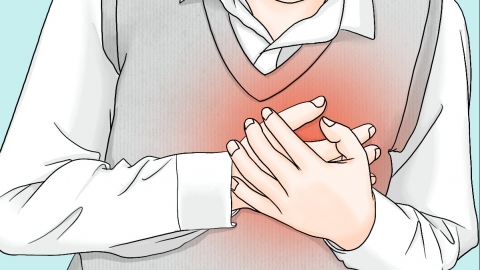
Cardiac premature beats refer to contractions that occur earlier than the normal cardiac rhythm, and they are a type of arrhythmia. In contrast, insufficient blood supply usually refers to reduced blood perfusion to the heart, leading to inadequate oxygen supply and abnormal myocardial energy metabolism, which results in the inability to support normal heart function—a pathological condition.
Cardiac premature beats mainly result from abnormal impulse generation by ectopic pacemaker sites within the heart or abnormalities in the cardiac conduction system. The primary issue lies in disturbances in the heart's electrical activity, leading to irregular heart rhythms. Insufficient blood supply, on the other hand, is primarily caused by conditions such as coronary artery atherosclerosis or coronary artery spasm, which lead to narrowing or blockage of the coronary arteries, thereby reducing blood supply to the heart.
Although cardiac premature beats and insufficient blood supply can coexist in some situations—for example, patients with severe coronary artery disease may experience both myocardial ischemia and premature contractions due to myocardial hypoxia—they should not be considered the same condition. They represent two distinct pathophysiological concepts.
Maintaining healthy lifestyle habits is important. One should maintain regular sleep patterns, avoid staying up late, ensure adequate sleep to allow the heart to rest sufficiently at night, and engage in moderate exercise, such as walking, jogging, or practicing tai chi, which can enhance cardiopulmonary function. However, strenuous exercise and excessive fatigue should be avoided to prevent placing excessive strain on the heart.


