What are the aftereffects of recovering from influenza A?
Mar 09, 2025
Source: Cainiu Health

Dr. Ren Yi
Introduction
Influenza A refers to type A influenza. Possible complications after recovery from type A influenza include fatigue, reduced respiratory function, cough, diminished sense of smell and taste, and neurological damage. It is important to enhance immunity in daily life through a balanced diet, moderate exercise, and adequate sleep to strengthen the body's resistance and reduce the risk of infection with the type A influenza virus.
Generally speaking, "Avian Flu" refers to Influenza A. Possible post-recovery complications of Influenza A may include fatigue, reduced respiratory function, cough, diminished sense of smell and taste, and nervous system damage. A detailed analysis is as follows:
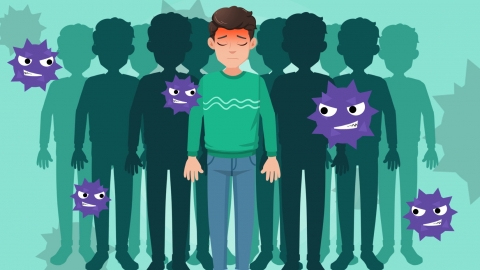
1. Fatigue
During an Influenza A infection, the body's immune system vigorously fights the virus, consuming significant energy. Even after the virus is cleared, it takes time for bodily functions to recover, and fatigue may persist for a period. With adequate rest and nutritional support, fatigue symptoms will gradually diminish and eventually disappear.
2. Reduced Respiratory Function
The Influenza A virus may invade lung tissue, causing a temporary impact on lung function. After recovery, it takes time for the lung tissue to fully heal, and during this period, respiratory function may be reduced, such as experiencing shortness of breath during vigorous exercise. Appropriate rehabilitation exercises can help restore normal respiratory function.
3. Cough
The Influenza A virus may damage the respiratory mucosa, triggering an inflammatory response. After recovery, the repair of the respiratory mucosa takes time, and during this phase, airway sensitivity increases, making coughing more likely when exposed to external irritants. This type of cough is usually dry or with minimal white phlegm, and symptoms gradually improve as the respiratory mucosa heals.
4. Reduced Sense of Smell and Taste
The Influenza A virus may affect nerve endings or related cell functions in the nasal cavity and mouth, leading to diminished smell and taste. After recovery, these damaged nerve endings or cells need time to regain function, a process that may be relatively slow. In most cases, the sense of smell and taste will gradually return to normal as overall recovery progresses.
5. Nervous System Damage
Some patients may experience neurological symptoms such as headache, dizziness, confusion, and drowsiness, which may be related to the damage caused by the Influenza A virus to the nervous system. These symptoms usually subside gradually after recovery, but if severe, medical evaluation and examination are necessary.
It is important to enhance immunity in daily life through balanced nutrition, moderate exercise, and sufficient sleep to strengthen the body's resistance and reduce the risk of Influenza A infection. Additionally, cultivating good personal hygiene habits, such as frequent handwashing, using disinfectants, and avoiding close contact with others, can help reduce the likelihood of virus transmission.