


What are the side effects of Amoxicillin capsules?
Mar 09, 2025
Source: Cainiu Health

Dr. Bai Hongmei
Introduction
Under normal circumstances, possible side effects of Amoxicillin Capsules may include gastrointestinal discomfort, rash, itching, drug fever, serum sickness-like reactions, etc. To reduce the occurrence of side effects, it is recommended to use the medication correctly as advised by a physician, and not to change the dosage or discontinue the medication arbitrarily. During the course of treatment, patients should pay attention to their physical responses, and if any adverse symptoms occur, they should promptly inform their doctor.
Generally, the side effects of amoxicillin capsules may include gastrointestinal discomfort, rash, itching, drug fever, and hematologic system reactions. Detailed explanations are as follows:
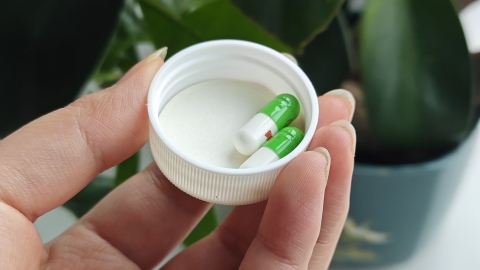
1. Gastrointestinal Discomfort
After entering the gastrointestinal tract, amoxicillin capsules may irritate the gastrointestinal mucosa and affect normal gastrointestinal motility and digestive function. It may also alter the balance of normal intestinal flora, leading to digestive problems. Common symptoms include nausea, vomiting, diarrhea, and loss of appetite.
2. Rash
As an antibiotic, amoxicillin capsules may trigger immune responses in the body. The immune system identifies the drug as a foreign substance, produces antibodies that bind to it, forming immune complexes that deposit in skin tissues, activating the release of inflammatory mediators and causing skin allergic reactions.
3. Itching
Inflammatory mediators such as histamine produced by the immune response after taking this medication may stimulate nerve endings in the skin, causing a sensation of itchiness. Even without obvious rashes, isolated skin itching may occur. Patients may feel uncomfortable itching, leading to scratching, which can occur on any part of the body with varying severity.
4. Drug Fever
The body may mount an immune response to amoxicillin capsules, causing immune cells to release endogenous pyrogens that act on the body's temperature-regulating center, raising the temperature set point, thus causing fever. The elevated body temperature is generally low or moderate grade and may be accompanied by systemic symptoms such as fatigue and headache.
5. Hematologic System Reactions
Amoxicillin may inhibit the proliferation and differentiation of bone marrow hematopoietic stem cells, affecting blood cell production. Additionally, the drug may interact with certain components in the blood, increasing the destruction of blood cells, thereby causing abnormalities in the hematologic system. Possible manifestations include anemia, thrombocytopenia, and leukopenia, presenting as pallor, fatigue, nosebleeds, gum bleeding, and skin bruising.
To reduce the occurrence of side effects, it is recommended to use the medication correctly as directed by a physician, without arbitrarily changing the dosage or discontinuing the medication. During treatment, patients should closely monitor their physical responses, and if any discomfort occurs, they should promptly inform their doctor.







