What does it mean when a woman's lips turn purple?
Mar 10, 2025
Source: Cainiu Health

Dr. Bai Hongmei
Introduction
Under normal circumstances, women may experience cyanosis of the lips due to emotional factors, excessive physical exertion, anemia, chronic obstructive pulmonary disease (COPD), pulmonary embolism, or other causes. If discomfort occurs, prompt medical attention is recommended. In daily life, it is important to maintain a regular作息 (routine/schedule), ensure adequate sleep, and allow the body's organs to function properly. Additionally, moderate physical exercise should be performed to enhance physical fitness.
Generally, purple lips in women may be caused by emotional factors, excessive exercise, anemia, chronic obstructive pulmonary disease (COPD), pulmonary embolism, and other reasons. If discomfort occurs, timely medical attention is recommended. Specific explanations are as follows:
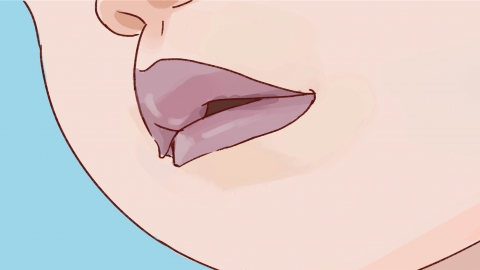
1. Emotional Stimulation
When experiencing extreme anger, tension, or anxiety, the sympathetic nervous system becomes activated, causing vasoconstriction, especially in peripheral blood vessels. The blood vessels in the lips are also affected, leading to changes in blood flow and resulting in purple lips. In daily life, individuals should learn to regulate emotions and relieve negative feelings through deep breathing, meditation, physical activity, listening to music, and maintaining a calm mindset.
2. Excessive Exercise
After intense exercise, the body's oxygen consumption increases, and cardiopulmonary function may temporarily fail to meet the demand, leading to relative hypoxia. Certain areas, such as the lips, may turn purple due to oxygen deficiency. This condition typically improves with rest. Exercise should be conducted gradually, with adequate warm-up before and proper cool-down after workouts. Exercise intensity and duration should be reasonably planned based on individual physical conditions to avoid overexertion.
3. Anemia
Anemia may be caused by malnutrition, blood loss, impaired hematopoietic function, and other factors. In anemia, red blood cells or hemoglobin levels decrease, reducing the blood's oxygen-carrying capacity and leading to tissue hypoxia, which may cause the lips to appear purple. Additional symptoms may include pale complexion and dizziness. Under medical guidance, patients may take medications such as ferrous succinate tablets, ferrous fumarate granules, and mecobalamin tablets for treatment.
4. Chronic Obstructive Pulmonary Disease
Chronic obstructive pulmonary disease is often associated with long-term smoking, air pollution, occupational exposure to dust, and similar factors. The lung's ventilation and gas exchange functions gradually deteriorate, causing impaired gas exchange and reduced blood oxygen levels, which may lead to purple lips. Symptoms such as chronic cough and sputum production may also occur. Patients may follow medical advice to use medications such as salbutamol aerosol, ipratropium bromide aerosol, and tiotropium bromide powder inhaler for treatment.
5. Pulmonary Embolism
Pulmonary embolism often occurs when a deep vein thrombosis in the lower limbs detaches and travels through the bloodstream to the pulmonary artery, blocking the vessel. Pulmonary artery blockage leads to impaired pulmonary circulation and obstructed gas exchange, causing severe hypoxia and visibly purple lips. Symptoms such as chest pain and hemoptysis may also occur. Under a physician's recommendation, patients may use medications such as warfarin sodium tablets, rivaroxaban tablets, and apixaban tablets for treatment.
In daily life, maintaining a regular routine and ensuring sufficient sleep is important to allow normal functioning of all body organs. Moderate physical exercise should also be practiced to enhance physical fitness and improve resistance to diseases, while paying attention to exercise intensity and methods to avoid exercise-related injuries.