


Can elevated amino acid levels in newborns be treated?
Mar 10, 2025
Source: Cainiu Health

Dr. Zhou Xiaofeng
Introduction
In general, whether elevated amino acid levels in newborns can be cured depends on the underlying cause. If the elevation is due to physiological factors, it can usually be resolved. However, if it is caused by an inherited metabolic disorder, it is typically difficult to cure. Newborns should undergo regular follow-up examinations to assess treatment effectiveness and adjust the treatment plan accordingly.
Generally, whether elevated amino acid levels in newborns can be cured depends on the underlying cause. If the elevation is due to physiological factors, it can usually be resolved. However, if it is caused by an inherited metabolic disorder, it is typically difficult to cure. Detailed explanations are as follows:
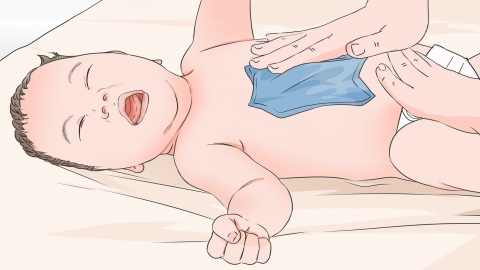
If a newborn's amino acid levels are only temporarily elevated and there are no other clinical symptoms, the cause may be physiological factors such as stress response or physiological jaundice. In such cases, the elevation usually does not cause long-term health effects and may resolve spontaneously with appropriate care.
However, if the elevated amino acid levels are due to inherited metabolic disorders such as phenylketonuria (PKU) or maple syrup urine disease (MSUD), these conditions typically require long-term treatment, or even lifelong management, and are difficult to cure completely. Even if amino acid levels are controlled through treatment, they may rise again once treatment is discontinued.
Parents should actively cooperate with the doctor's treatment recommendations and strictly follow medical advice to regularly bring the newborn for follow-up blood tests to monitor amino acid levels. Adjustments to interventions should be made based on test results to ensure the healthy development of the newborn.


