


What issues can be detected through regular prenatal checkups?
Mar 10, 2025
Source: Cainiu Health

Dr. Zhang Lu
Introduction
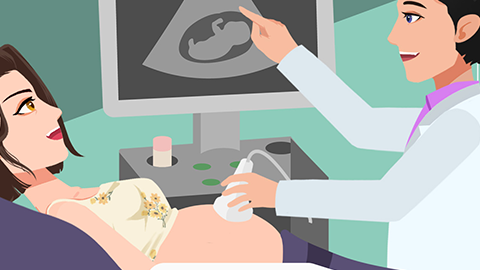
Prenatal checkup refers to antenatal examination. In general, regular prenatal checkups can detect issues related to the mother's health, fetal development, placental position, amniotic fluid volume, and fetal presentation. It is recommended that pregnant women attend regular prenatal examinations at the hospital to promptly understand both their own and the fetus's condition, which helps doctors formulate more appropriate delivery plans and improve the safety of childbirth.
Antenatal examination refers to prenatal checkups. Generally speaking, regular prenatal examinations can detect issues related to maternal health, fetal development, placental position, amniotic fluid volume, fetal position abnormalities, and other concerns. Detailed analysis is as follows:
1. Maternal Health
During each prenatal visit, measurements such as blood pressure and blood glucose levels are taken to promptly identify whether the pregnant woman has developed conditions like gestational hypertension or gestational diabetes.
2. Fetal Development
Ultrasound examinations can monitor the fetus's size, weight, and organ development, helping to determine whether there are issues such as growth restriction and ensuring normal fetal growth.
3. Placental Position
Ultrasound can be used to observe whether the placental position is normal and detect abnormalities such as placenta previa or placental abruption. These conditions, including placenta previa or low-lying placenta, can lead to bleeding during delivery if not identified early.
4. Amniotic Fluid Volume
Ultrasound can monitor the volume and characteristics of the amniotic fluid, helping to determine whether there are conditions such as polyhydramnios (excessive amniotic fluid), oligohydramnios (low amniotic fluid), or amniotic fluid contamination.
5. Abnormal Fetal Position
In late pregnancy, fetal position can be determined through abdominal palpation and ultrasound examinations. Common abnormal fetal positions include breech presentation and transverse lie. If not detected and corrected in a timely manner, these conditions may increase the risk of difficult labor.
Pregnant women are advised to attend regular prenatal checkups at the hospital to stay informed about their own and the fetus's specific conditions. This helps doctors formulate more appropriate birth plans, prepare in advance for various potential scenarios, and improve the safety of delivery.


