Can I eat durian after thyroid hormone replacement therapy?
Mar 12, 2025
Source: Cainiu Health

Dr. Yang Chuanjia
Introduction
After thyroid hormone replacement therapy, patients can generally consume durian in moderation. However, durian contains high levels of calories and sugar, so obese individuals should eat it sparingly. Durian is also high in potassium, so individuals with kidney disease and heart conditions should consume it cautiously. Additionally, durian flesh is thick and sticky, making it prone to block the throat and airway. Elderly individuals should be especially cautious and consume only small amounts slowly to prevent choking.
After thyroid hormone replacement therapy, patients can generally consume durian in moderation. However, individuals with specific medical conditions or physical constitutions should exercise caution. If any abnormalities occur, timely medical consultation is recommended. Detailed explanation is as follows:
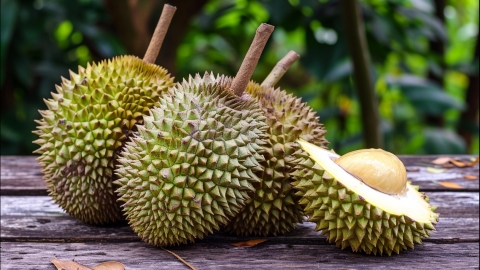
In general, patients with hypothyroidism undergoing thyroid hormone replacement therapy do not have absolute dietary restrictions. Durian contains abundant nutrients, including proteins, fats, vitamins, and minerals. It has health benefits such as strengthening the body, invigorating the spleen, and enhancing kidney function. Patients receiving thyroid hormone replacement therapy may consume durian in moderation without causing adverse effects on their treatment.
However, due to its high caloric and sugar content, durian should be consumed sparingly by individuals who are obese. It also contains high levels of potassium and should be eaten cautiously by patients with kidney or heart disease. Durian pulp is thick and sticky, posing a risk of blocking the throat and airway, so elderly individuals should eat less and more slowly to prevent choking. Patients with hypothyroidism who also have any of the above-mentioned conditions should be cautious about consuming durian during thyroid hormone replacement therapy.
Additionally, patients should focus on maintaining a balanced diet with diverse food sources and consume more fresh vegetables and fruits to promote overall health.