


Can patients with Hashimoto's thyroiditis eat watermelon?
Mar 12, 2025
Source: Cainiu Health

Dr. Yang Chuanjia
Introduction
Hashimoto's thyroiditis patients can eat watermelon, but they should consume it in moderation. Excessive consumption may cause gastrointestinal discomfort, such as abdominal pain, diarrhea, or indigestion. Patients with Hashimoto's thyroiditis should maintain a balanced diet in daily life. In addition to moderate watermelon consumption, they should also intake more high-protein and high-vitamin foods, such as milk, lean meat, kiwi fruit, etc.
Generally, patients with Hashimoto's thyroiditis can eat watermelon. The detailed explanation is as follows:
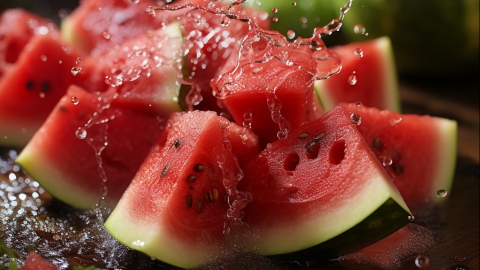
Hashimoto's thyroiditis is an organ-specific autoimmune disease that affects thyroid function. In terms of diet, patients should avoid consuming foods high in iodine, such as kelp and nori, to prevent worsening of the condition. As a fruit, watermelon does not contain iodine and will not stimulate the thyroid gland. Watermelon contains significant amounts of protein amino acids, vitamin C, and other nutrients, which help replenish essential nutrients and benefit the patient's health.
However, it should be consumed in moderation, as excessive consumption may cause gastrointestinal discomfort, such as abdominal pain, diarrhea, or indigestion. Patients with Hashimoto's thyroiditis should maintain a balanced diet. In addition to moderate consumption of watermelon, they should also consume foods high in protein, low in fat and sugar, and rich in vitamins, such as milk, lean meat, kiwi fruit, and celery.







