Can meningiomas affect brain function?
Mar 12, 2025
Source: Cainiu Health

Dr. Lv Zhiqin
Introduction
In general, meningiomas can affect brain function. Meningiomas are tumors that grow on the meninges, the thin membranes that cover the brain and spinal cord. These tumors can compress surrounding normal brain tissue, leading to neurological dysfunction. This compression may cause symptoms such as headache, vision loss, hearing impairment, and insomnia. If the meningioma continues to grow, the compressive symptoms may become increasingly severe.
Generally, meningiomas can affect brain function. The detailed analysis is as follows:
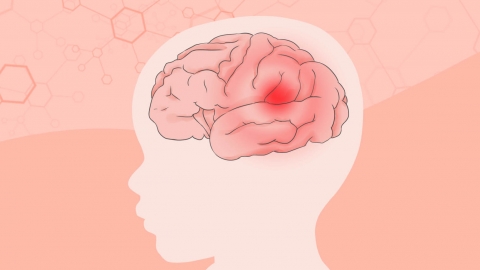
A meningioma is a tumor that grows on the meninges, the thin membranes covering the brain and spinal cord. Meningiomas can compress surrounding normal brain tissue, leading to neurological dysfunction. This compression may cause symptoms such as headaches, vision loss, hearing impairment, and insomnia. If a meningioma continues to grow, the pressure-related symptoms may become increasingly severe.
Due to their large size or unfavorable location, meningiomas can interfere with normal brain function and may also cause neurological complications such as epilepsy, coma, and paralysis, further impacting the patient's brain function and quality of life.
The impact of meningiomas on brain function is multifaceted and may worsen as the disease progresses. Once symptoms of meningioma appear, such as headaches, vomiting, or disturbances in consciousness, immediate medical attention should be sought for thorough examination and diagnosis. A suitable treatment plan should be established as early as possible to reduce damage to brain function.