


Can patients with kidney disease eat cantaloupe and bananas?

Generally, patients with kidney disease are not advised to eat cantaloupe or bananas. The detailed explanation is as follows:
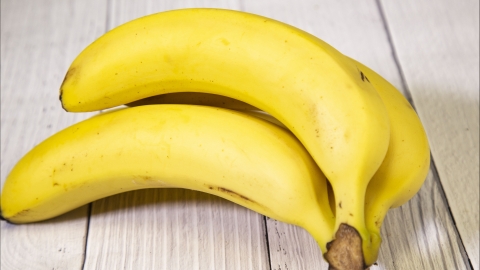
Both cantaloupe and bananas contain relatively high levels of potassium. For patients with kidney disease, especially those with renal insufficiency, the kidneys may be unable to effectively remove excess potassium from the body. Elevated blood potassium levels can trigger a series of serious health problems, such as cardiac arrest. Therefore, to avoid such risks, patients with kidney disease need to limit their potassium intake.
In addition, cantaloupe also contains relatively high levels of sugar. For patients with diabetic nephropathy, high sugar intake may worsen their condition, leading to further increases in blood glucose levels, thereby increasing the burden on the kidneys. Therefore, these patients should also avoid eating cantaloupe. Although bananas also contain a certain amount of sugar, their main issue lies in their high potassium content, so patients with kidney disease should also consume them cautiously.
Patients with kidney disease need to control their salt intake and avoid high-salt foods such as pickled vegetables and salted duck eggs, as well as high-fat foods such as fried and pickled foods.


