


Can MRI detect cerebral hypoperfusion?
Mar 12, 2025
Source: Cainiu Health

Dr. Tian Hongbo
Introduction
MRI stands for magnetic resonance imaging. In general, MRI can detect cerebral hypoperfusion, but it usually requires comprehensive evaluation in combination with other test results and clinical symptoms. MRI can provide detailed vascular images and blood flow information, helping to identify structural abnormalities such as vascular stenosis or blockage, thereby indirectly reflecting the cerebral blood supply status.
MRI refers to magnetic resonance imaging. Generally, MRI can detect cerebral hypoperfusion, but it usually requires comprehensive evaluation in combination with other test results and clinical symptoms. The specific analysis is as follows:
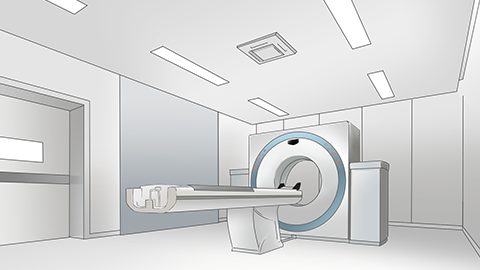
Magnetic resonance imaging, especially magnetic resonance angiography and perfusion-weighted imaging, can provide detailed vascular images and blood flow information, helping to identify structural abnormalities such as vascular stenosis and occlusion, thereby indirectly reflecting cerebral blood supply status. In addition, diffusion-weighted imaging can detect cytotoxic edema caused by ischemia at an early stage, further indicating the presence of cerebral hypoperfusion.
However, not all cases of cerebral hypoperfusion will show obvious manifestations on MRI. When there is no significant brain tissue damage yet, MRI may not detect abnormalities. Secondly, the diagnosis of cerebral hypoperfusion is a complex process, and MRI findings alone are insufficient for a definitive diagnosis. It is necessary to integrate clinical symptoms, carotid ultrasound, cerebral angiography, and other tests for comprehensive diagnosis.
During the diagnostic and treatment process, it is recommended to maintain healthy lifestyle habits and avoid high-risk factors, which can help prevent and improve cerebral hypoperfusion.







