


What is porphyria?
Mar 12, 2025
Source: Cainiu Health

Dr. Bai Hongmei
Introduction
Porphyria is generally a relatively rare genetic disorder, primarily caused by a deficiency of specific enzymes in the heme biosynthesis pathway, leading to the accumulation of porphyrins or their precursor substances in the body. If experiencing any discomfort, it is recommended to seek medical attention promptly. If symptoms are present, timely medical consultation is advised, followed by targeted treatment under the guidance of a physician. Usually, maintaining regular physical exercise and actively coping with the disease are recommended in daily life.
Generally, porphyria is a relatively rare genetic disorder, mainly caused by the deficiency of specific enzymes in the heme biosynthesis pathway, leading to the accumulation of porphyrins or their precursor substances in the body. If experiencing any discomfort, prompt medical attention is recommended. Detailed analysis is as follows:
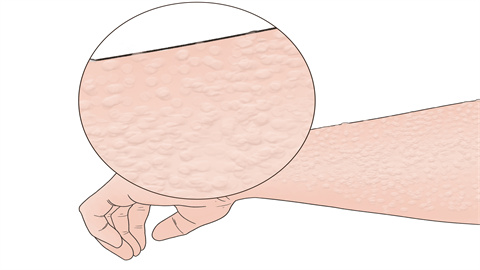
Under normal circumstances, the human body synthesizes heme through a series of complex biochemical reactions, with enzymes playing a crucial catalytic role in this process. However, when gene mutations affect the activity of these enzymes, porphyria may develop.
The symptoms of porphyria are diverse and severe. For example, patients with cutaneous porphyria exhibit extreme photosensitivity, and after exposure to sunlight, their skin may develop blisters, ulcers, and scars, significantly affecting appearance and quality of life. Patients with acute attacks may suddenly experience severe abdominal pain, accompanied by gastrointestinal symptoms such as nausea, vomiting, and constipation. They may also develop psychiatric symptoms such as anxiety, depression, hallucinations, and even suffer nervous system damage, leading to limb pain, weakness, and paralysis.
If symptoms appear, timely medical consultation is recommended for targeted treatment under a doctor's guidance. Usually, regular exercise and maintaining a positive attitude toward the disease are beneficial in daily life.



