


What are the symptoms of allergic purpura?

Generally, allergic skin purpura refers to Henoch-Schönlein purpura (HSP), with symptoms including skin purpura, abdominal pain, joint pain, edema, low-grade fever, and others. If experiencing any discomfort, it is recommended to seek timely medical attention for appropriate treatment. Detailed analysis is as follows:
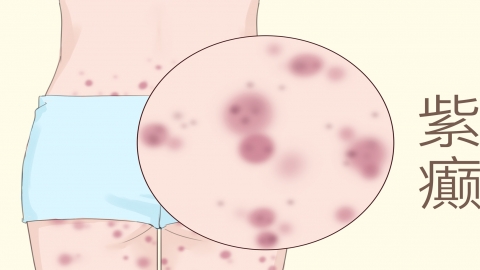
1. Skin Purpura
Following an allergic reaction in the body, immune complexes may deposit on the walls of small skin blood vessels, potentially causing vascular inflammation, increased vascular permeability, and extravasation of red blood cells from the vessels, resulting in purpura. These skin lesions commonly occur on the lower limbs and buttocks, showing symmetrical distribution, appearing in batches, and varying in size.
2. Abdominal Pain
When gastrointestinal blood vessels are involved, inflammation and spasms may occur, leading to gastrointestinal ischemia and hypoxia, thus causing abdominal pain. Some patients may also experience nausea, vomiting, and diarrhea.
3. Joint Pain
Inflammation of blood vessels around the joints can lead to joint effusion, swelling and pain in the surrounding tissues, and limited mobility. The symptoms are migratory and recurrent, usually resolving spontaneously within several days without causing joint deformities.
4. Edema
Increased vascular permeability causes fluid components in the blood to leak into the interstitial spaces, and impaired kidney function may result in sodium and water retention, leading to lower limb edema that may spread throughout the body in severe cases.
5. Low-Grade Fever
Activation of immune responses in the body stimulates inflammatory cells to release inflammatory mediators, which act on the thermoregulatory center, raising the body's temperature set point and causing fever. Body temperature is generally between 37.3°C and 38°C.
In daily life, it is important to avoid allergens such as pollen, dust mites, and animal dander, as well as certain foods. Wearing masks and maintaining indoor cleanliness can help reduce exposure. Regular exercise to strengthen physical health and enhance immune function is also recommended.


