


Why is the area above the lips and below the nose turning purple, and what should I do?
Mar 12, 2025
Source: Cainiu Health

Dr. Bai Hongmei
Introduction
Under normal circumstances, bluish discoloration between the upper lip and below the nose may be caused by factors such as cold exposure, vigorous exercise, bronchial asthma, heart failure, or acute respiratory distress syndrome. It is recommended to seek timely medical attention and follow the doctor's guidance for treatments such as general care and medication. In daily life, it is important to maintain good indoor air circulation.
Under normal circumstances, bluish discoloration of the skin above the lips and below the nose may be caused by cold exposure, strenuous exercise, bronchial asthma, heart failure, acute respiratory distress syndrome, and other reasons. It is recommended to seek medical attention promptly and receive general treatment, medication, or other therapies under a doctor's guidance. Detailed explanations are as follows:
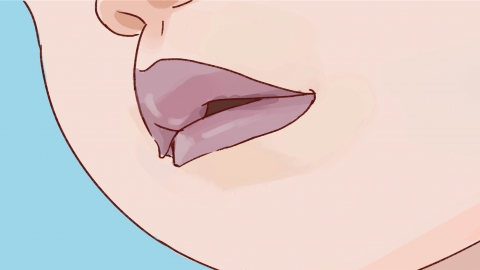
1. Cold Exposure
When the body is exposed to cold environments, surface blood vessels constrict to reduce heat loss, causing slower blood flow. Increased oxygen consumption in tissues leads to elevated levels of reduced hemoglobin, resulting in a bluish-purple appearance of the perioral skin. It is recommended to adjust clothing according to environmental temperature and avoid prolonged exposure to cold environments.
2. Strenuous Exercise
During strenuous exercise, oxygen demand increases and the burden on the heart and lungs intensifies. To ensure blood supply to vital organs, peripheral blood vessels may constrict to some extent. Constriction of perioral blood vessels may reduce blood flow, causing perioral cyanosis. Exercise should follow the principle of gradual progression, with adequate warm-up before and proper cool-down after exercise, avoiding sudden high-intensity physical activity.
3. Bronchial Asthma
Bronchial asthma may be related to genetic factors and environmental triggers such as allergens and air pollution. During asthma attacks, airway smooth muscle spasms and airway mucosal edema lead to airway narrowing, impaired gas exchange, and hypoxia, resulting in perioral cyanosis. Symptoms such as wheezing and shortness of breath may also occur. Under medical guidance, medications such as salbutamol sulfate tablets, budesonide inhalation aerosol, and montelukast sodium tablets can be used for treatment.
4. Heart Failure
Heart failure can be caused by myocardial disease, excessive cardiac load, and other factors. Declined cardiac pumping function leads to congestion in the pulmonary and systemic circulation, impaired pulmonary gas exchange, and inadequate systemic blood perfusion, causing hypoxia and perioral cyanosis. Symptoms such as dyspnea and fatigue may also occur. Patients may follow medical advice to use medications such as digoxin tablets, furosemide injection, and nitroglycerin tablets to alleviate symptoms.
5. Acute Respiratory Distress Syndrome
Acute respiratory distress syndrome is often triggered by severe infection, trauma, shock, and other factors. Injury to the alveolar-capillary membrane leads to pulmonary edema and atelectasis, severely impairing gas exchange and causing severe hypoxemia, which results in perioral cyanosis. Symptoms such as respiratory distress and restlessness may also occur. Under a doctor's recommendation, patients can use medications such as ambroxol hydrochloride injection, methylprednisolone sodium succinate for injection, and aminophylline injection to improve symptoms.
In daily life, it is important to maintain good indoor air circulation, avoid using gas appliances that may produce carbon monoxide in poorly ventilated environments, and maintain a balanced diet. Consuming foods rich in iron, vitamin B₁₂, folic acid, and other nutrients can help prevent anemia.




