


What are the risks and side effects of taking growth hormone?
Mar 13, 2025
Source: Cainiu Health

Dr. Yang Ziqi
Introduction
The risks of growth hormone administration include endocrine disorders, abnormal blood glucose levels, abnormal bone development, increased burden on the cardiovascular system, and an elevated risk of tumors. Side effects may include local reactions, hypothyroidism, joint pain, edema, and headache. During growth hormone therapy, close attention should be paid to bodily changes, and regular monitoring of blood glucose levels, thyroid function, bone age, and other related indicators is necessary.
Generally, the risks and side effects of growth hormone injections include endocrine disorders, abnormal blood sugar levels, abnormal bone development, increased burden on the cardiovascular system, and an elevated risk of tumors. A detailed analysis is as follows:
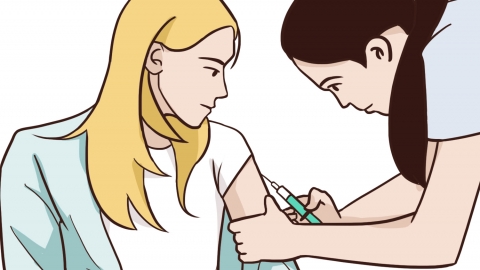
1. Endocrine Disorders
The use of exogenous growth hormone may interfere with the normal regulatory mechanisms of the body's own endocrine system. Excessive or inappropriate use of growth hormone may suppress the body's natural secretion of growth hormone, affecting the normal function of the hypothalamic-pituitary-growth hormone axis, leading to endocrine imbalance and long-term effects on overall metabolism and physiological functions.
2. Abnormal Blood Sugar Levels
Growth hormone has a blood sugar-elevating effect. Long-term use of growth hormone may increase insulin resistance in the body, impair cellular uptake and utilization of glucose, elevate blood sugar levels, and increase the risk of developing diabetes.
3. Abnormal Bone Development
If growth hormone is used after the closure of the epiphyseal plates, it may cause abnormal bone growth, resulting in symptoms of acromegaly, such as enlarged hands and feet and a coarsened facial appearance. Even before epiphyseal closure, improper use of growth hormone may lead to excessively rapid bone growth and imbalanced development, affecting the normal shape and structure of bones.
4. Burden on the Cardiovascular System
Growth hormone can cause proliferation and hypertrophy of myocardial cells. Long-term use may lead to changes in cardiac structure and function, increasing the burden on the heart and the risk of myocardial hypertrophy. It may also affect vascular elasticity and function, leading to elevated blood pressure and other cardiovascular problems, thereby increasing the likelihood of cardiovascular disease.
5. Increased Risk of Tumors
Growth hormone may promote cell proliferation and growth, but it may also potentially stimulate the growth of existing tumor cells. For individuals who already have small tumor lesions or have a genetic predisposition to tumors, the use of growth hormone may increase the risk of tumor development and progression.
Growth hormone should be used under the guidance of a physician. During treatment, close attention should be paid to bodily changes, and regular monitoring of related indicators such as blood glucose, thyroid function, bone age, and blood pressure should be conducted to promptly detect any possible abnormalities. If any adverse symptoms occur, the physician should be informed immediately; do not adjust the dosage or discontinue the medication on your own. Strictly follow medical instructions for treatment and monitoring.


